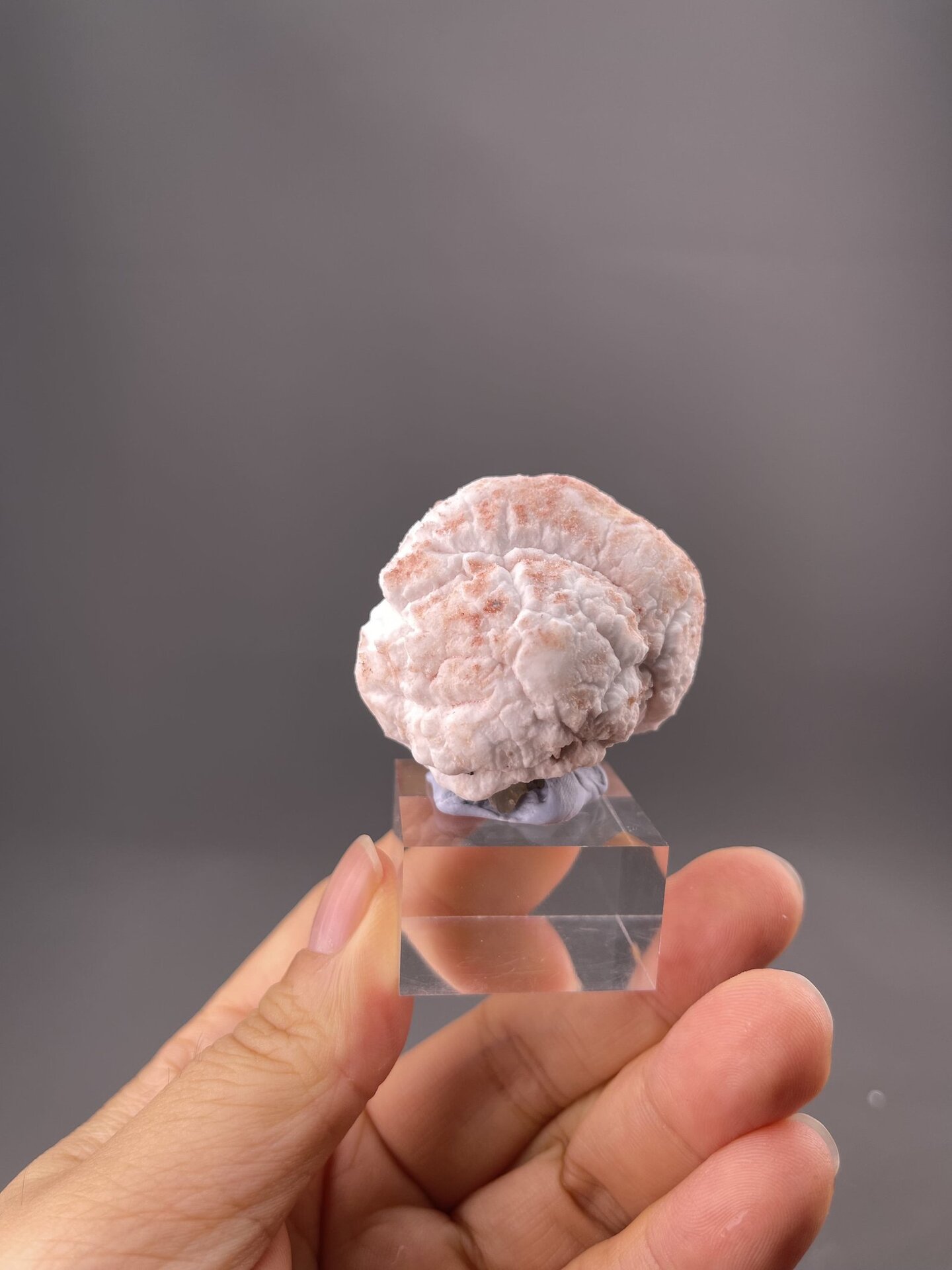
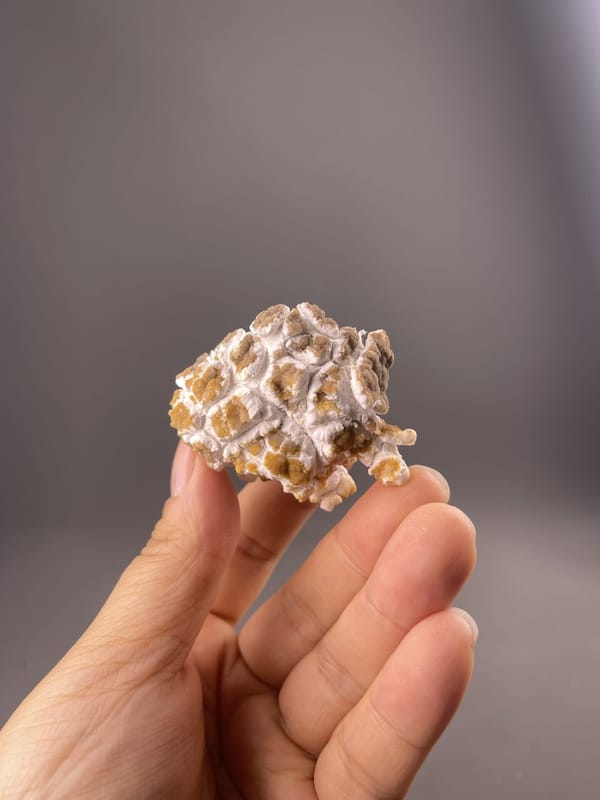
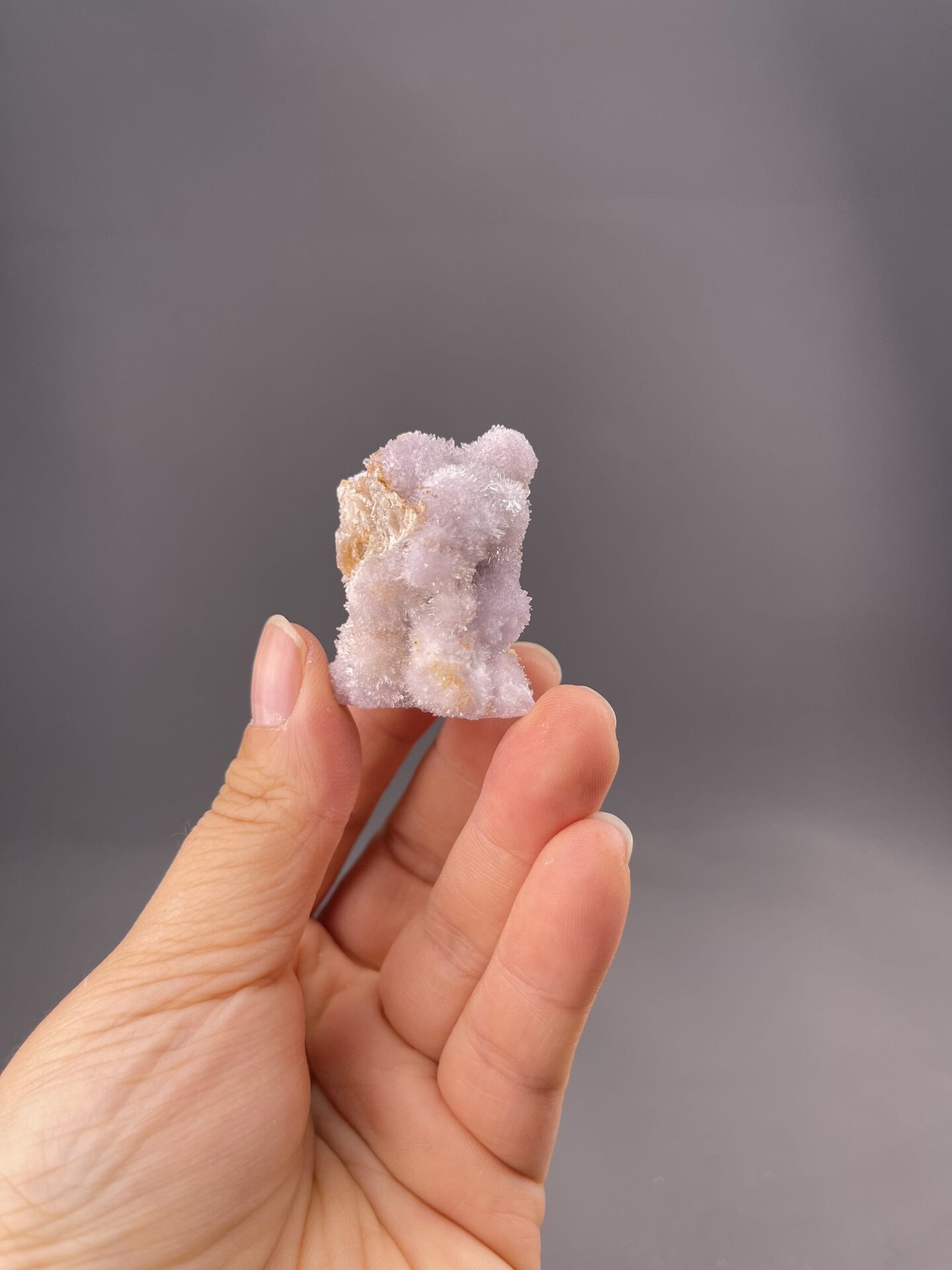
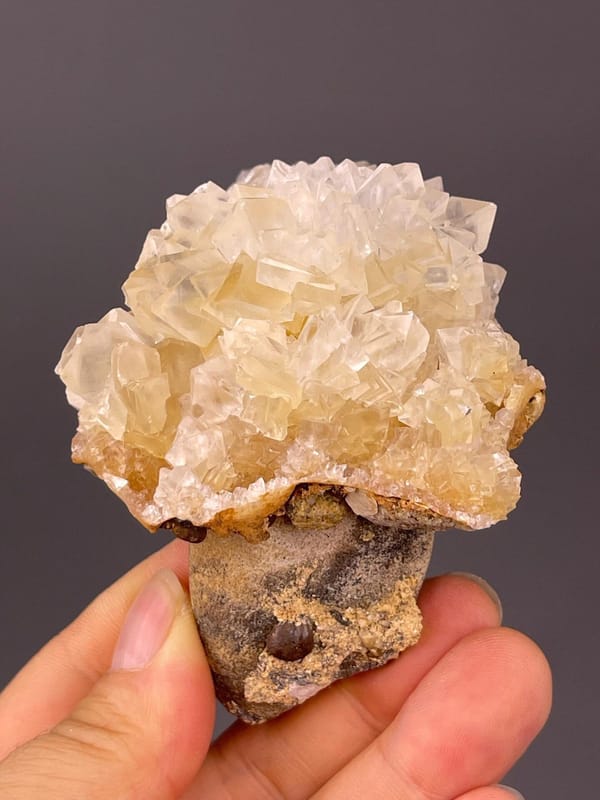
Gypsum
Curated by Maggie Liu · Updated:
Gypsum is a sulfate mineral prized by collectors for its exceptional color range, with several world-class Chinese localities.
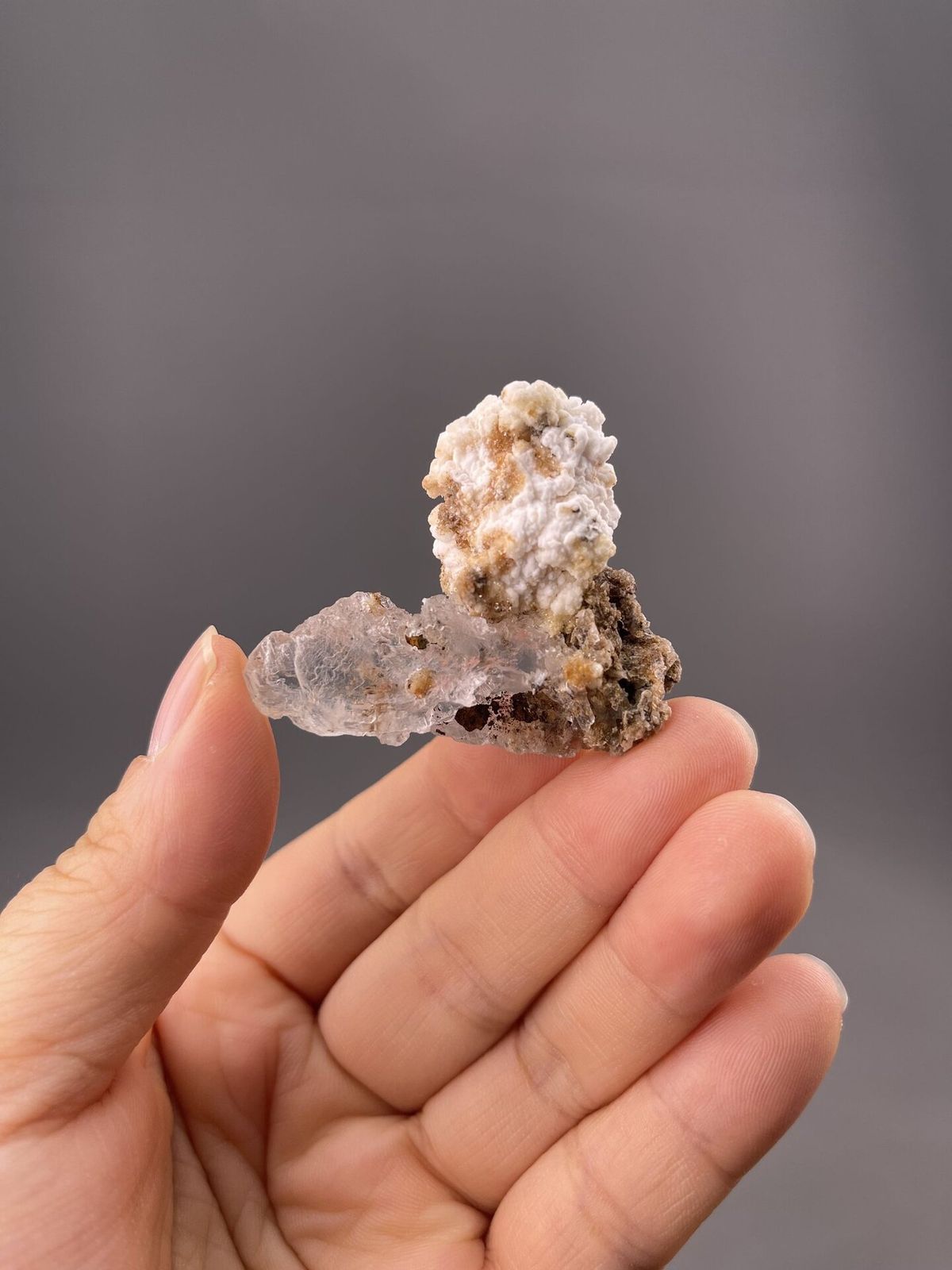
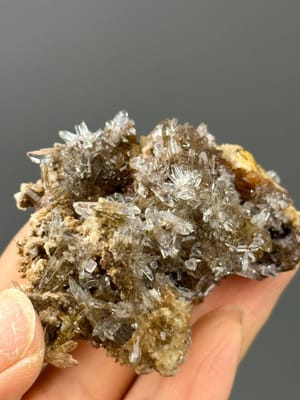
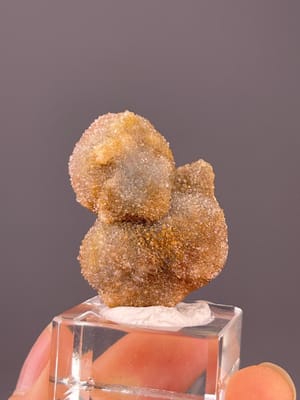
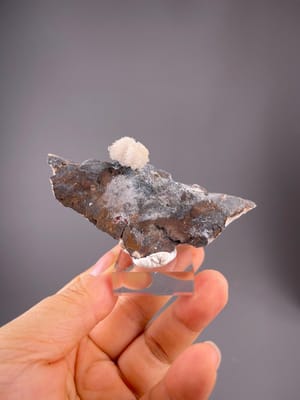
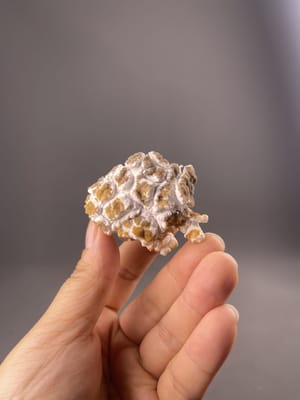
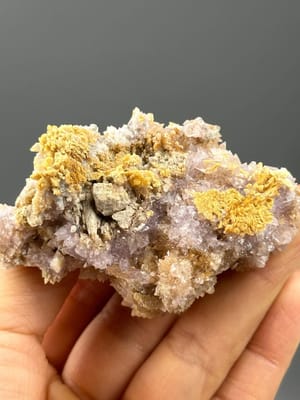
About Gypsumextended article
Gypsum is the Mohs-2 reference mineral and one of the most varied collector species. Its varieties span from the world's largest crystals (Naica selenite, 11+ meters) through the silky satin spar of stalactite caverns to the desert-rose rosettes of arid sand floors. Gypsum defines the second step of the Mohs hardness scale and dissolves slowly in water, producing some of the most fragile yet visually arresting display specimens.
Notable varieties
- Selenite (transparent crystals; the Naica giants)
- Satin spar (silky fibrous; cave deposits)
- Alabaster (massive granular; carving stone)
- Desert rose (rosette intergrowths in sand)
- Swallowtail twins (V-shaped contact twins)
The Chinese angle
Chinese gypsum is industrially significant (Hunan, Hubei, Inner Mongolia) but specimen-grade material reaches the international market sporadically. Xinjiang produces some satin spar and selenite blades; Hunan stalactite caves yield occasional botryoidal satin spar. Most collector gypsum still flows from Mexico, Pakistan, Morocco, and the United States.
About Gypsum
Gypsum is classified as a sulfate mineral in the gypsum group and has the chemical formula CaSO₄·2H₂O. It crystallizes in the monoclinic system and is one of the most visually varied minerals in the collector market. Its combination of structural character and global distribution make it a recognized species in both systematic and aesthetic collections.
Identification & care
Crystals commonly develop as tabular, prismatic, lenticular; swallowtail twins; massive; fibrous; acicular; rosette (desert rose). Its color range is broad, including colorless, white, gray, yellowish, greenish, pinkish, and brownish. The luster is vitreous, silky, pearly, the streak is white, and specimens range from transparent to opaque. The cleavage is perfect on {010}, distinct on {100} and {011} — perfect in one direction. The fracture is fibrous, conchoidal, which aids identification.
Collector context
How it forms
In terms of geology, Gypsum forms in evaporite deposits; hydrothermal veins; secondary mineral in oxidized ore zones; cave environments. It is commonly found in association with calcite, halite, anhydrite, celestine, sulfur.
Classic Chinese localities
Documented Chinese occurrences are recorded at Jiama Cu-polymetallic deposit, Lingxiang Mine and Dachang ore field, among others.
Why collectors care
Gypsum is a frequently-sought species in serious collections because its habit is recognizable, its color often strong, and its best examples unmistakable even at a distance. Chinese material has driven much of the recent visual shift in the species — sharper crystals, deeper colors, cleaner matrix.
What affects value
Value in Gypsum is assessed, in typical order of weight, against: (1) locality provenance; (2) size relative to the species norm; (3) crystal form and termination sharpness; (4) color saturation and zoning; (5) transparency and internal clarity; (6) matrix quality and aesthetic balance; (7) condition (absence of damage, chips, or repair). Cleaning quality and verified locality documentation act as multipliers across the above.
Frequently asked questions
What is Gypsum?
Gypsum has the chemical formula CaSO₄·2H₂O, crystallises in the Monoclinic system, has a Mohs hardness of 2. Gypsum is a sulfate mineral prized by collectors for its exceptional color range, with several world-class Chinese localities.
What is the chemical formula of Gypsum?
The chemical formula of Gypsum is CaSO₄·2H₂O.
What crystal system does Gypsum belong to?
Gypsum crystallises in the Monoclinic crystal system.
Where is Gypsum found?
Notable localities for Gypsum include Guizhou Province, Naica, China, Daye, Hubei.
Is Gypsum rare?
As a collector mineral, Gypsum is generally considered common.
Related minerals
Available Gypsum specimens
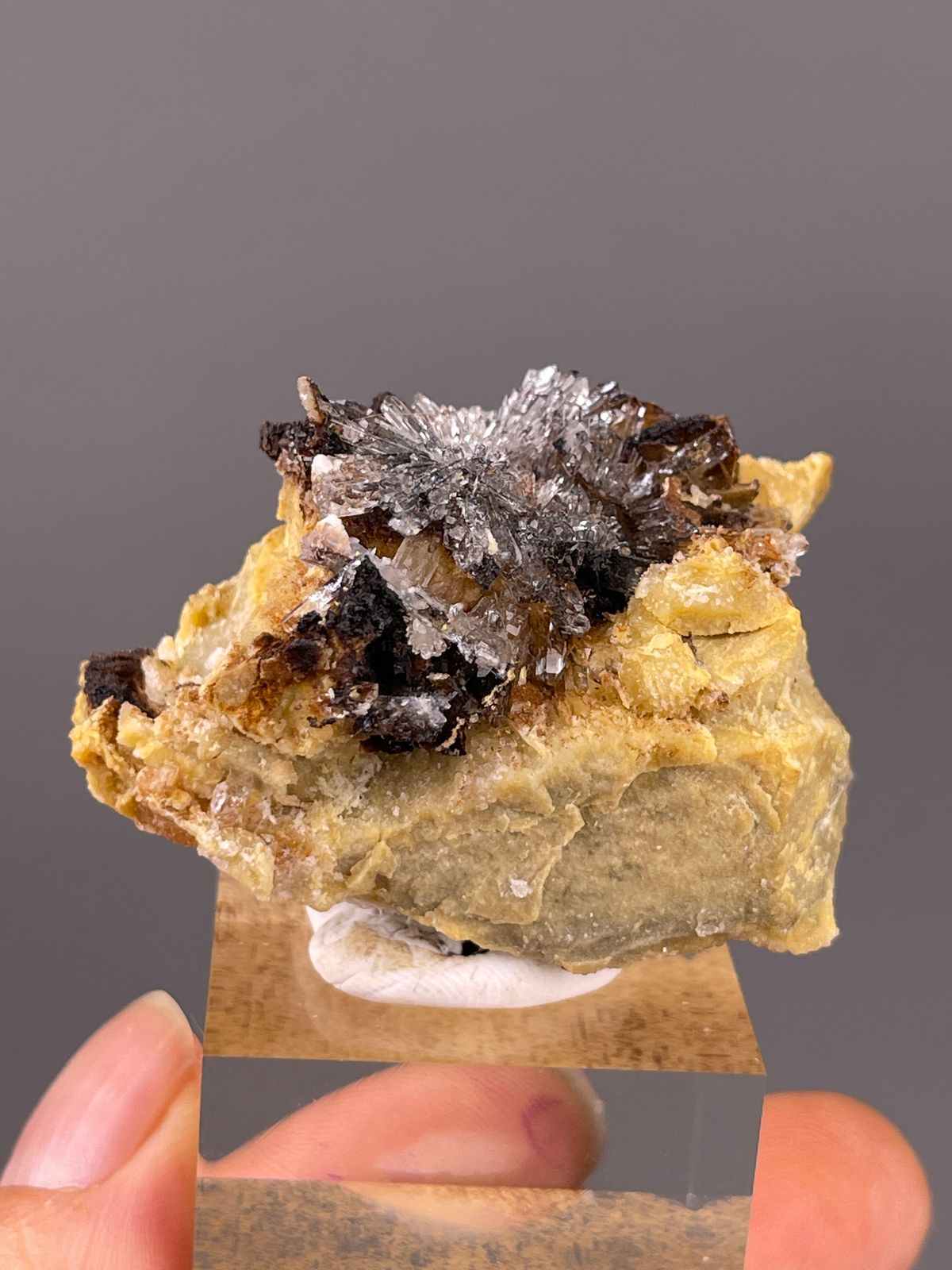
Gypsum Flower Cluster — Guizhou, China
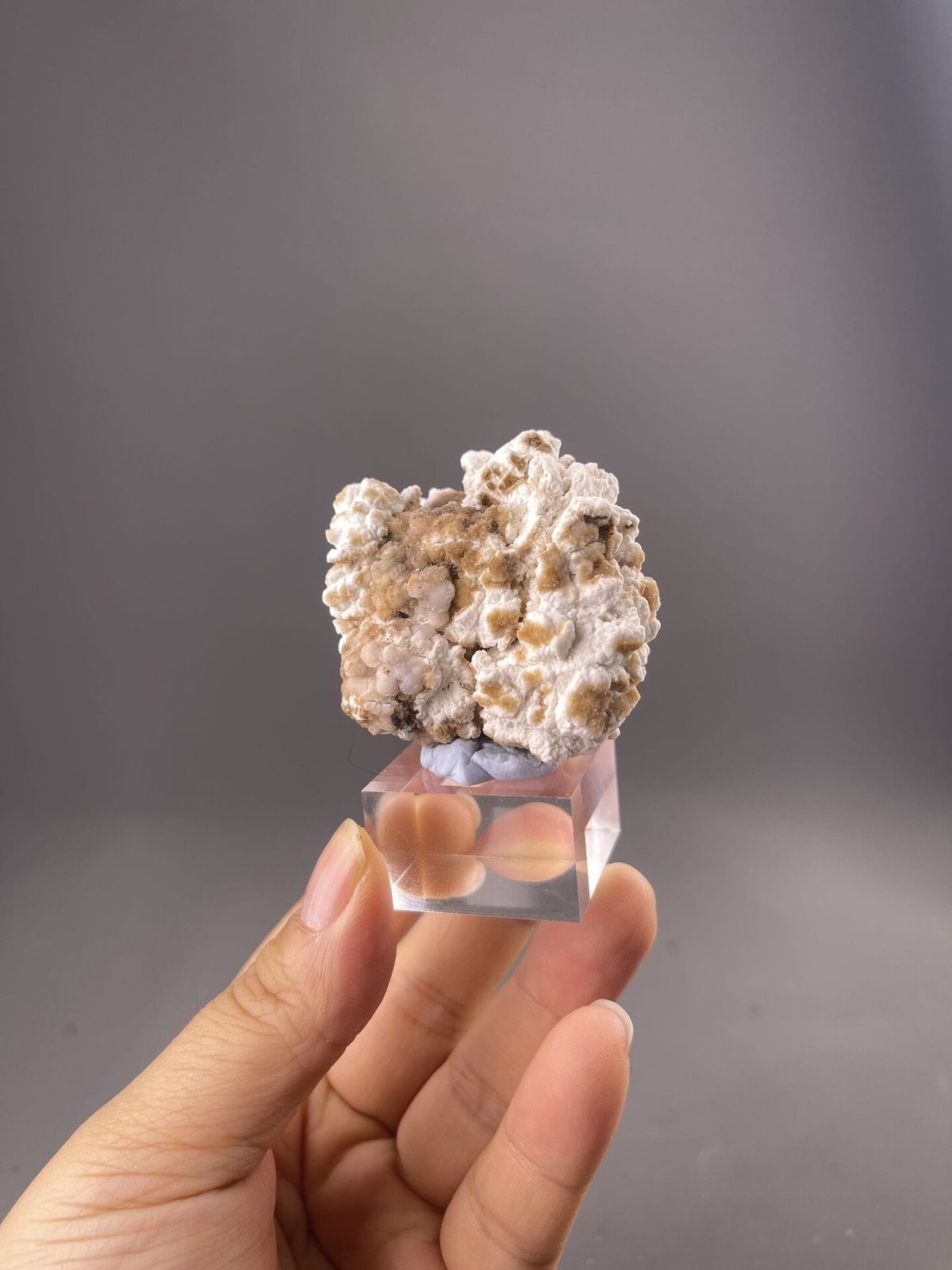
Botryoidal Popcorn Gypsum, Guizhou, China
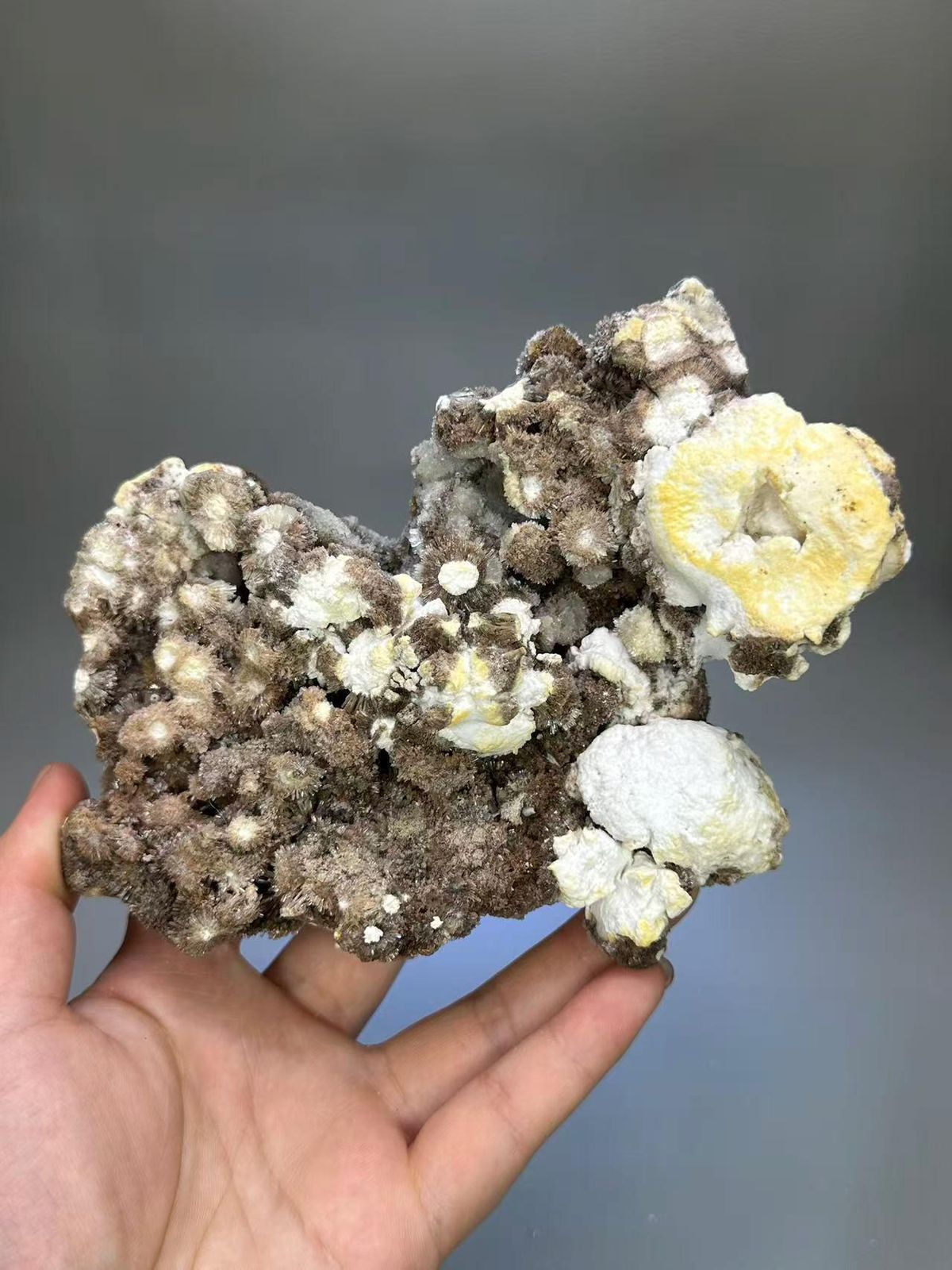
Popcorn Gypsum with Needle Rosettes, Guizhou, China
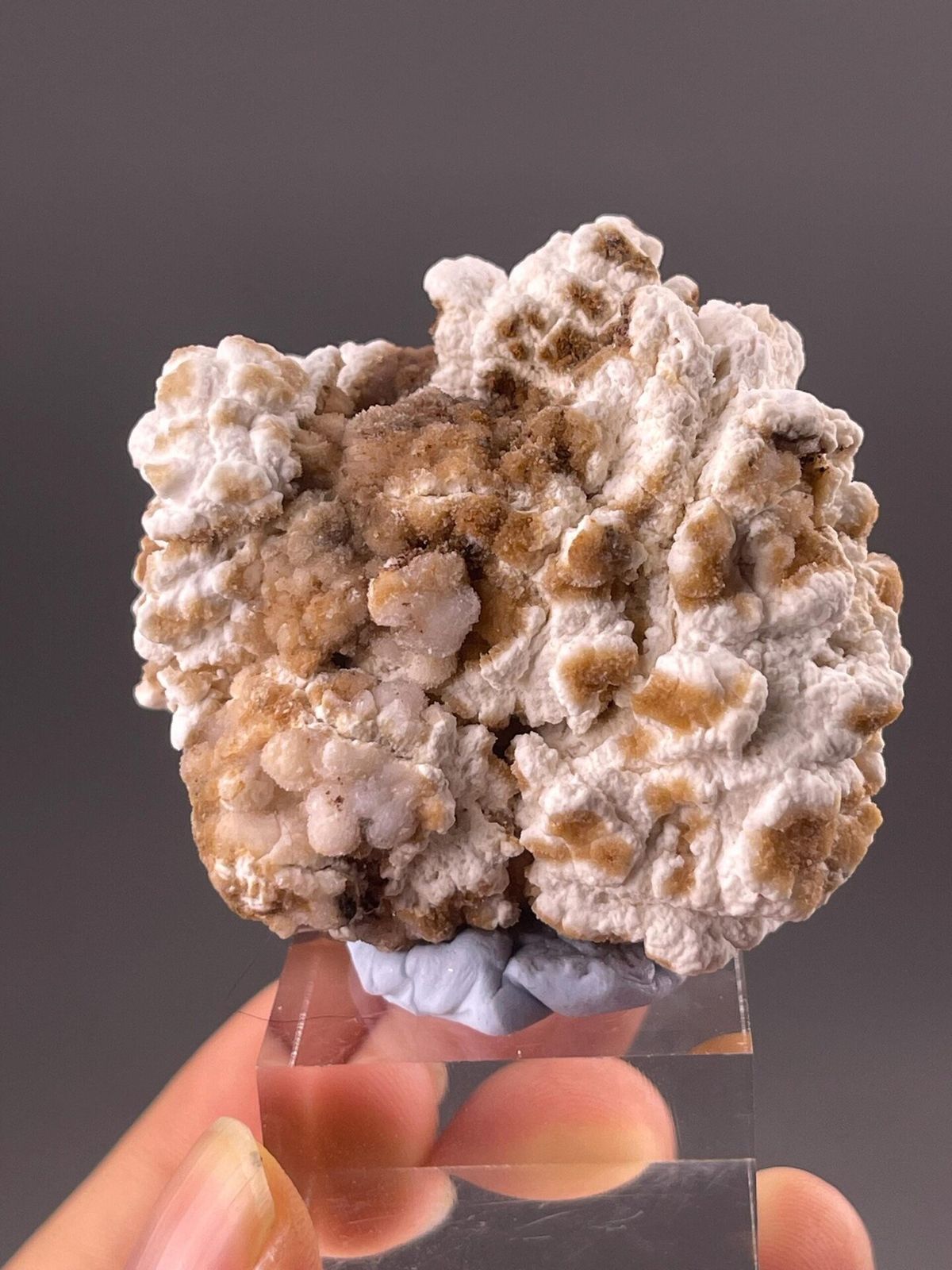
Cream and Caramel Popcorn Gypsum, Guizhou, China
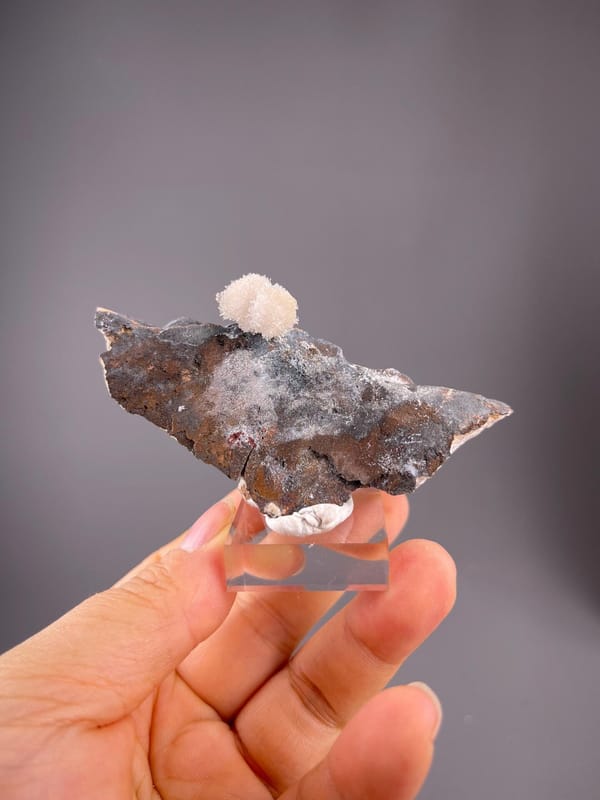
Gypsum Flower Formation on Matrix, Guizhou
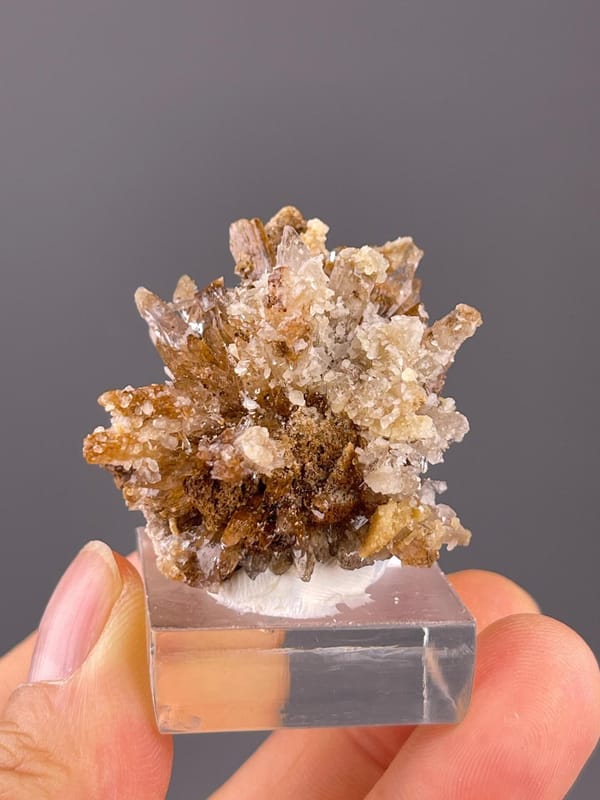
Gypsum Flower Mineral Specimen, Guizhou
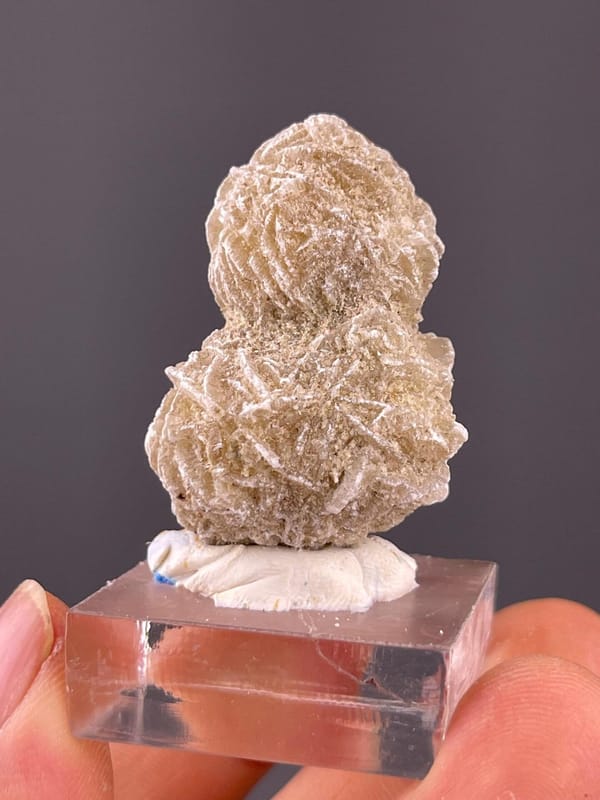
Desert Rose Gypsum Double-Sphere, Mexico
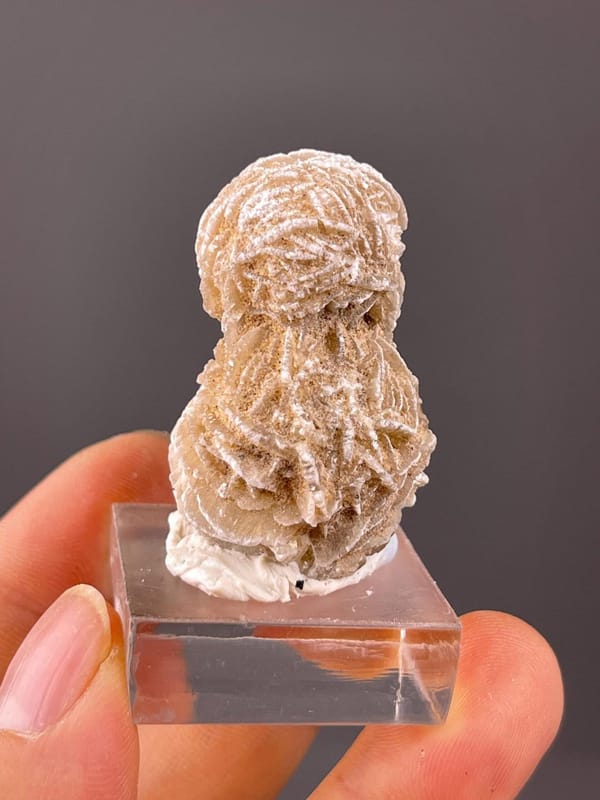
Desert Rose Gypsum, Mexico
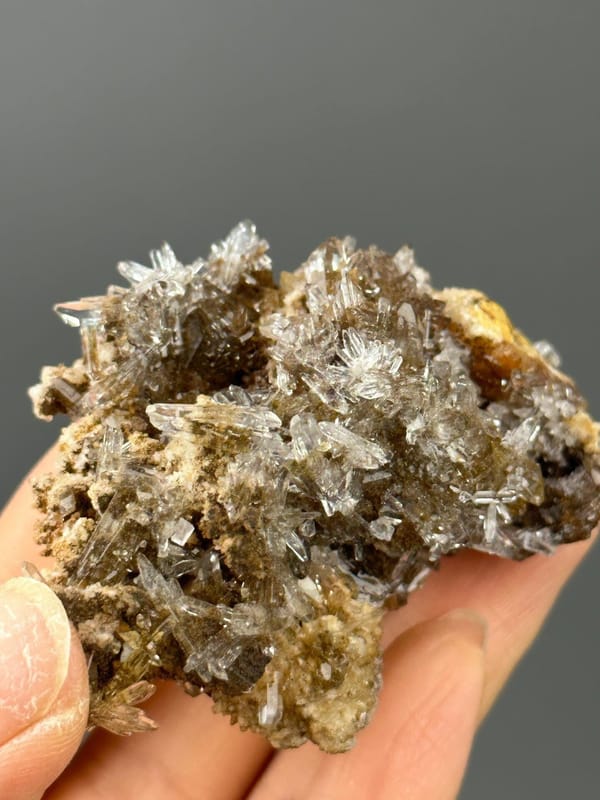
Gypsum Flower Needle Cluster, China
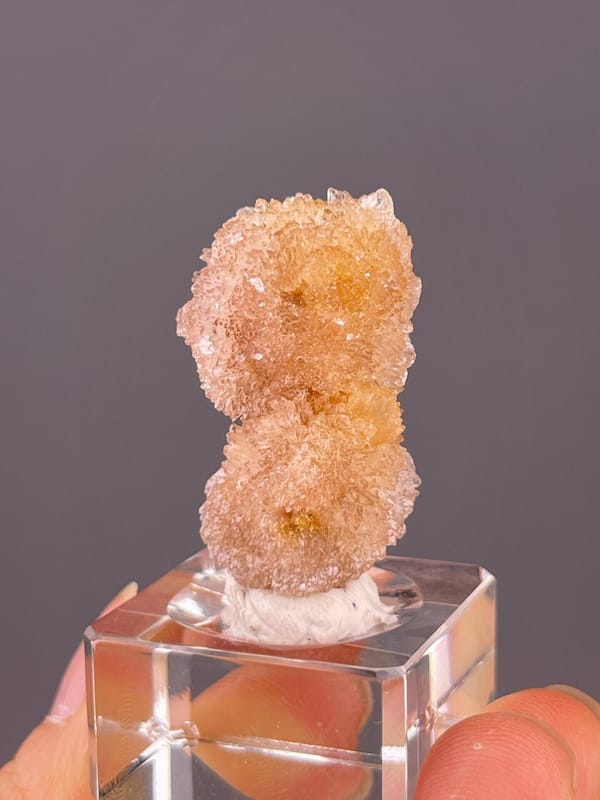
Peach Gypsum Needle Rosettes, China
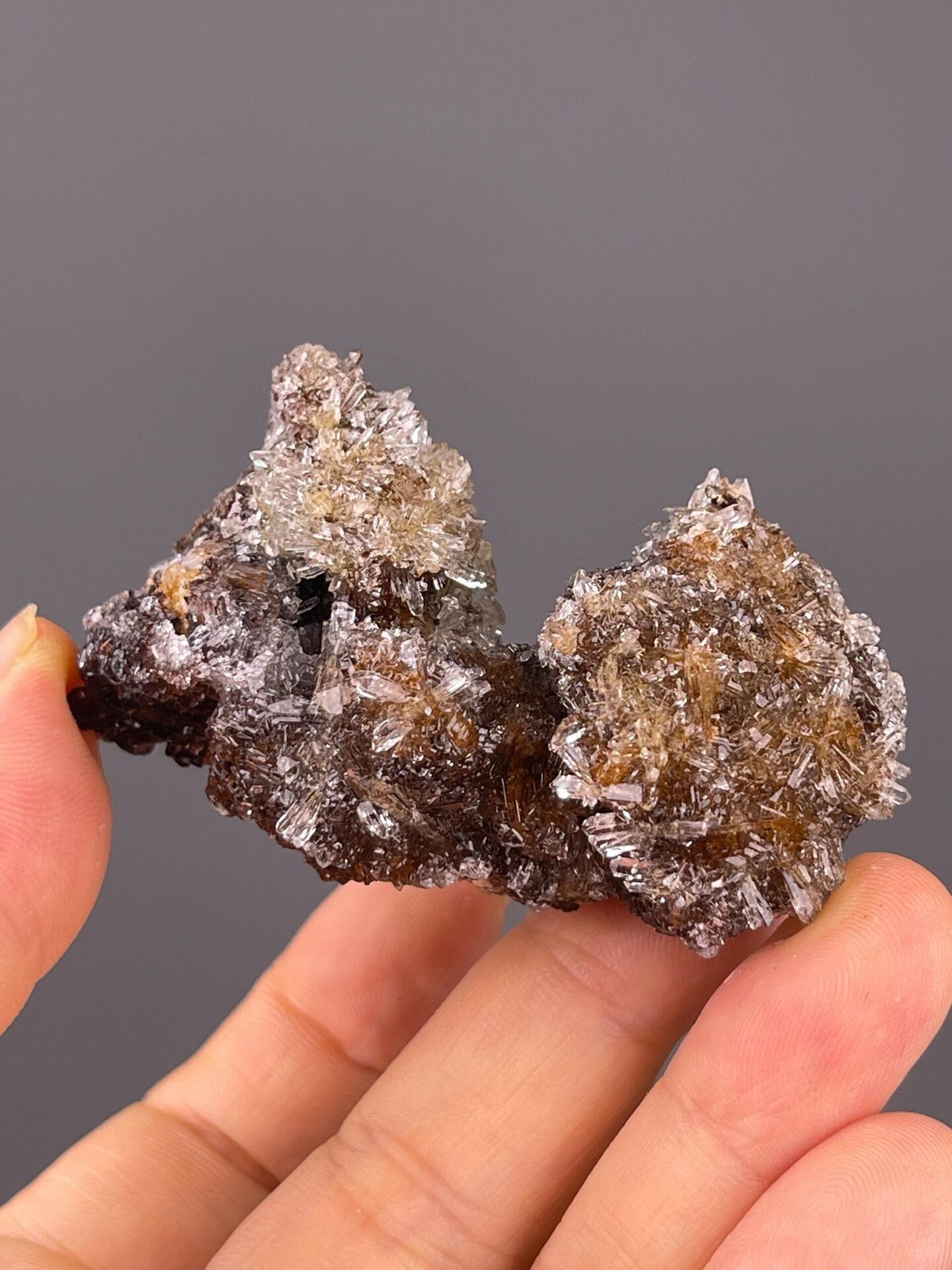
Gypsum Flower – Acicular Needle Crystals – Guizhou, China
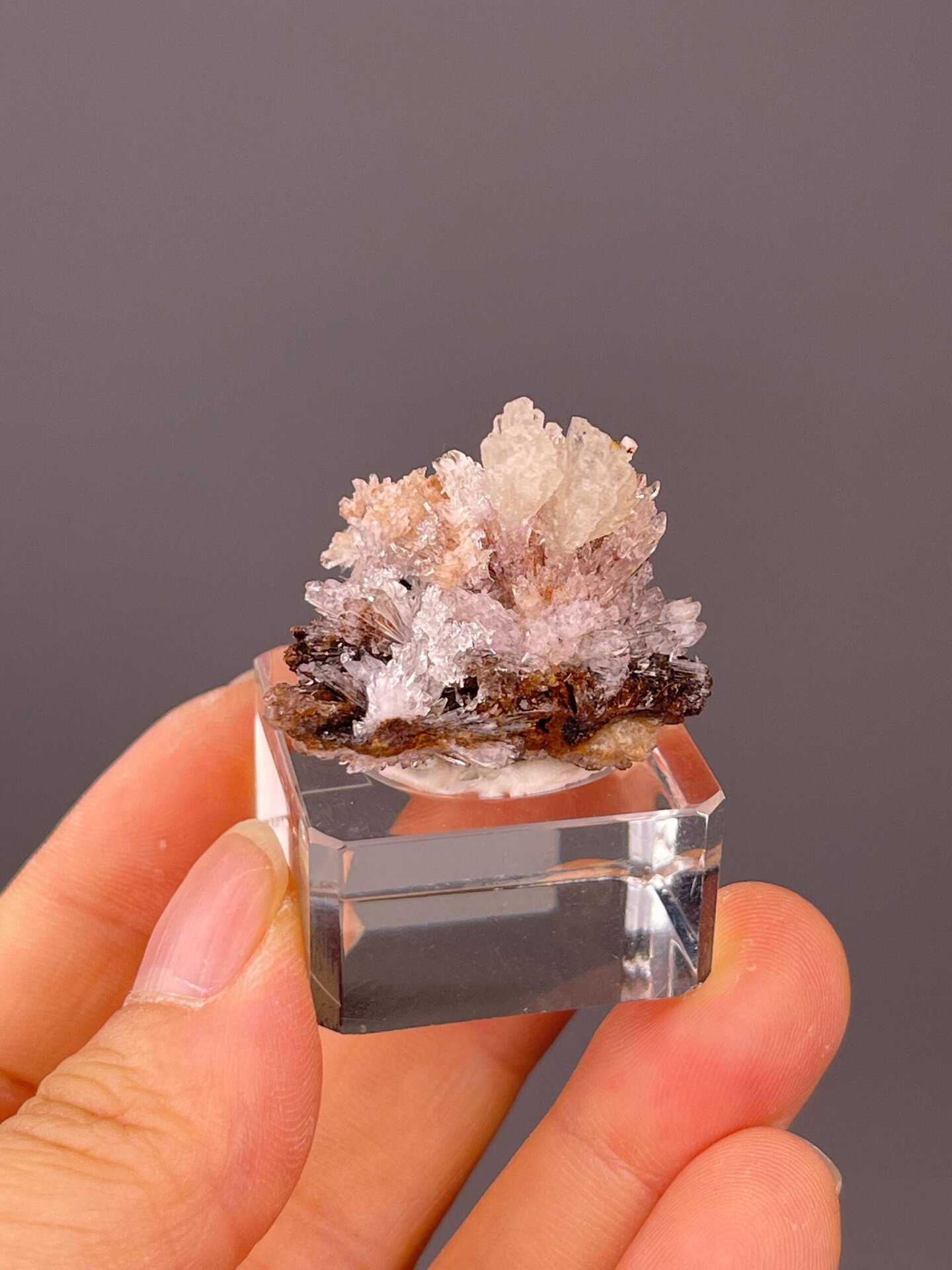
Selenite Gypsum Flower – Peach and White – Guizhou, China
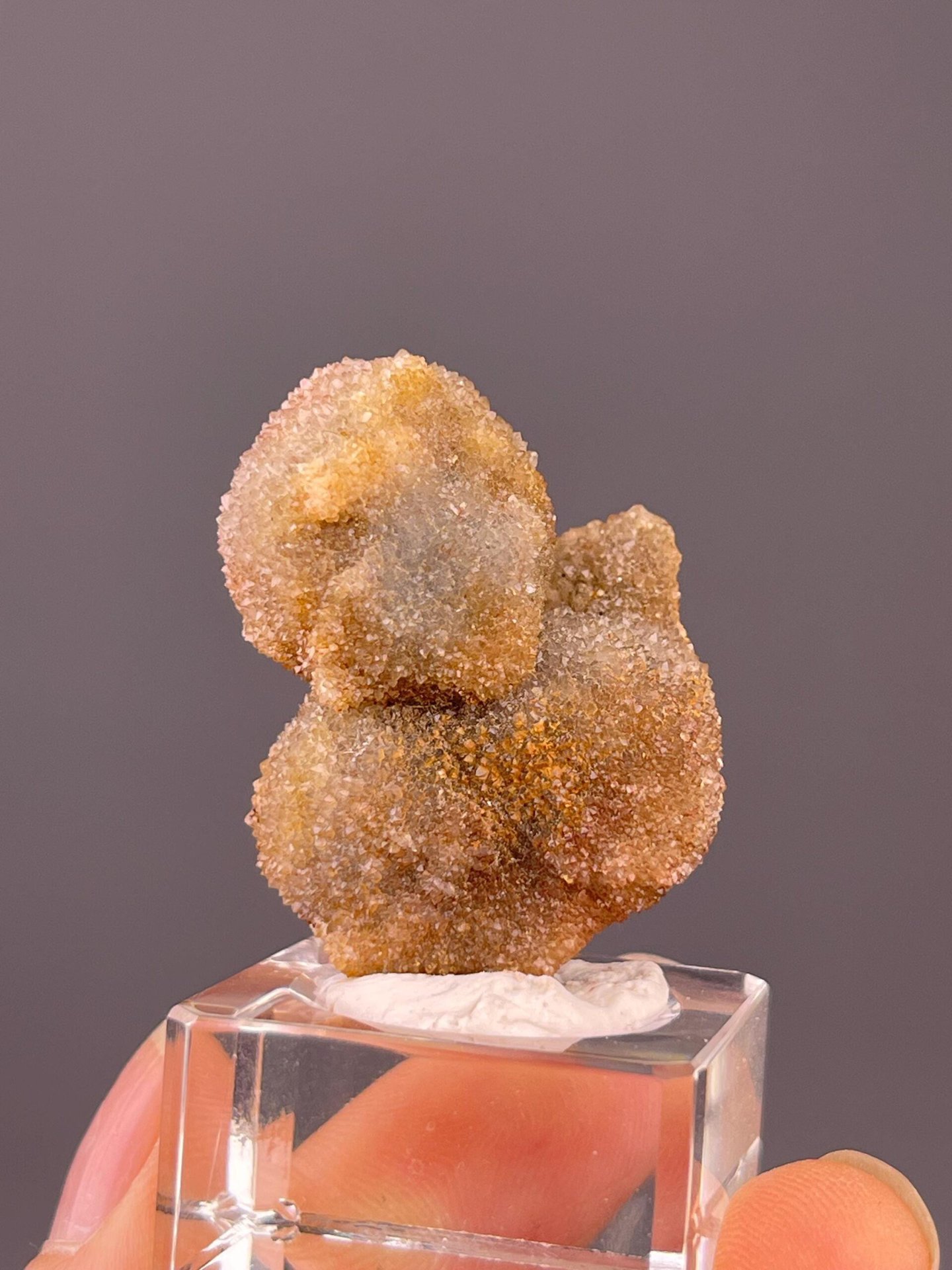
Botryoidal Gypsum Cluster, Guizhou, China
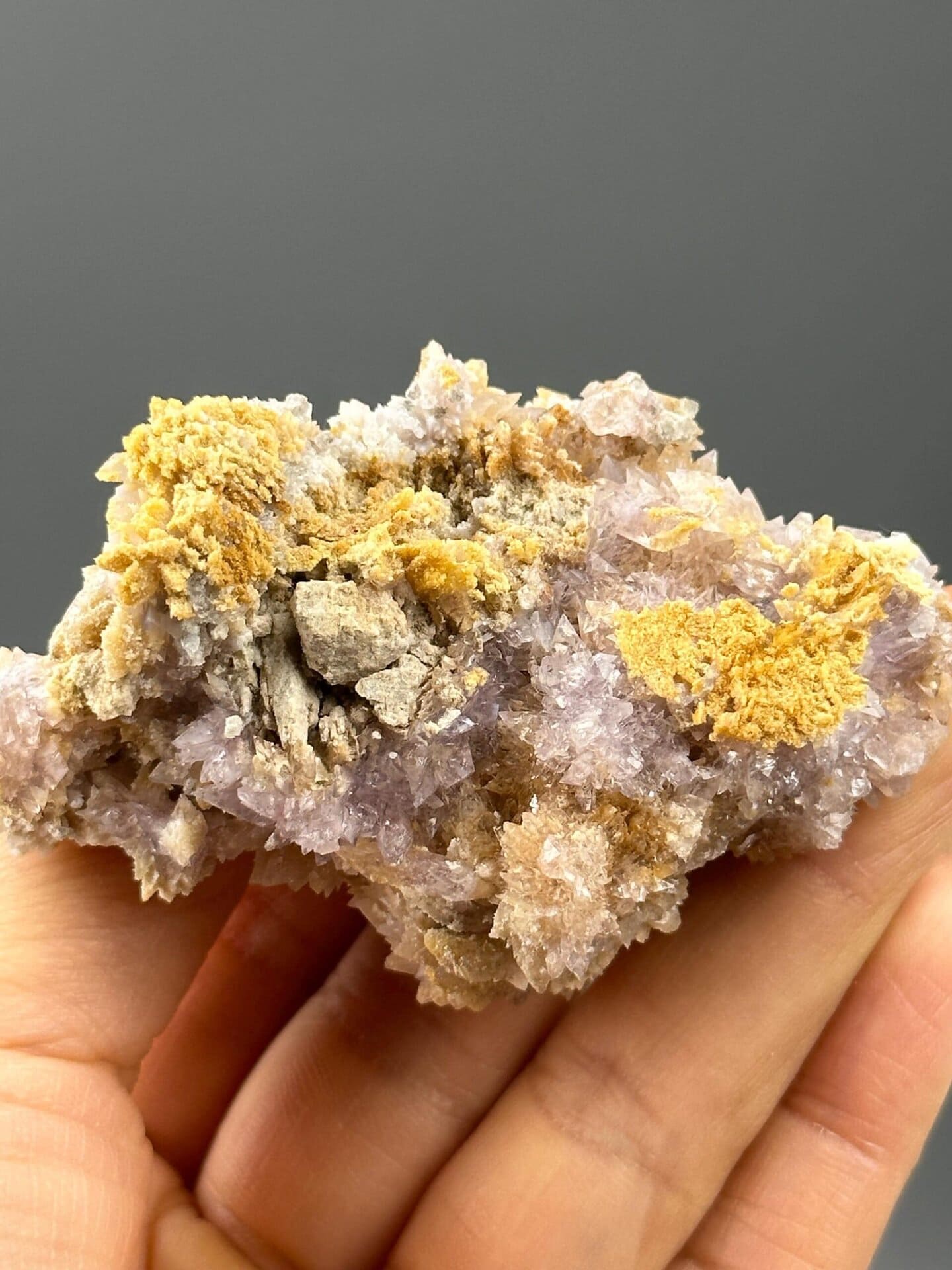
Lilac Gypsum Crystal Druse with Ochre, Guizhou
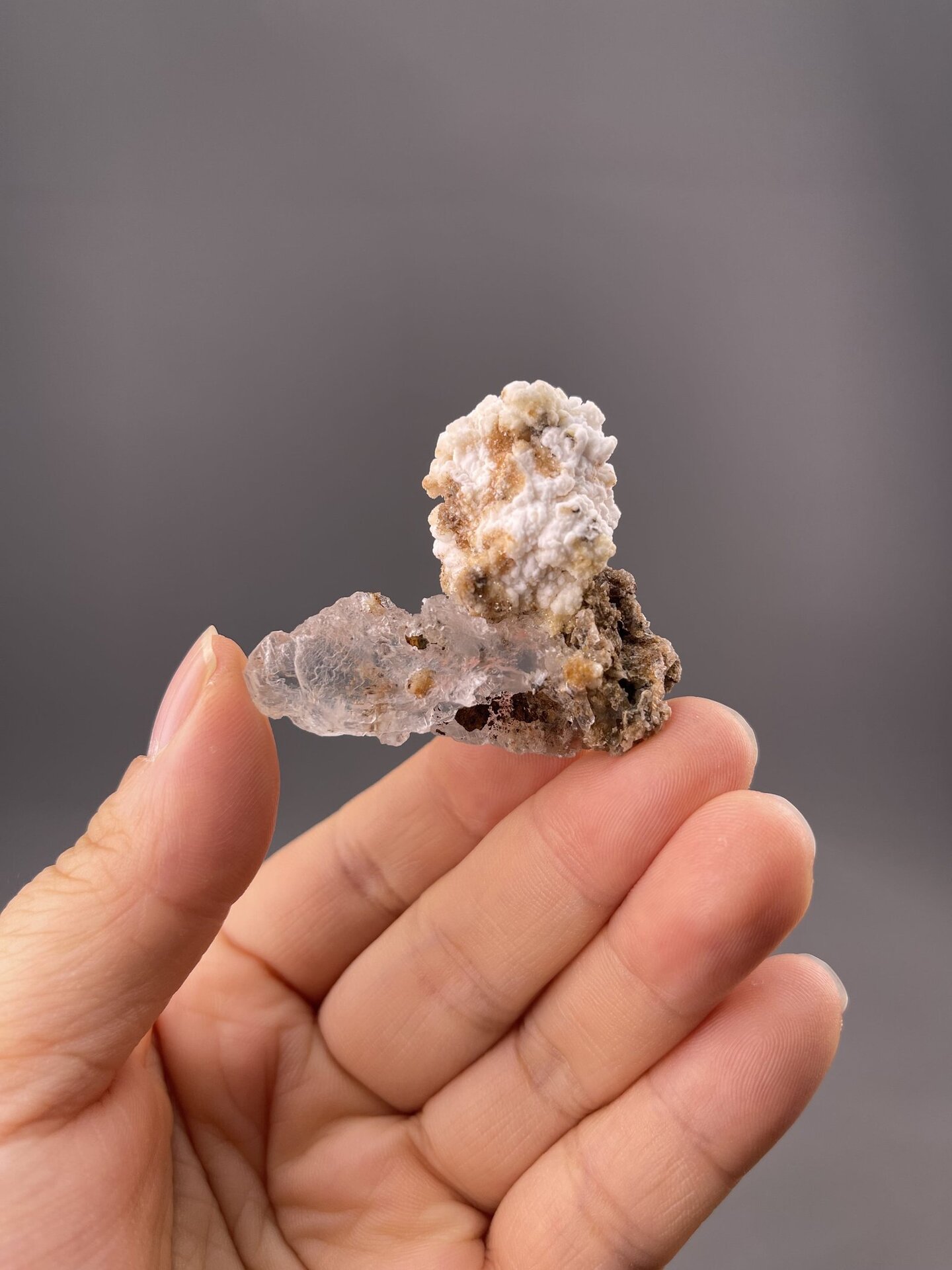
Popcorn Gypsum – Nodular Texture – Guizhou Province, China