
Mineral Specimens
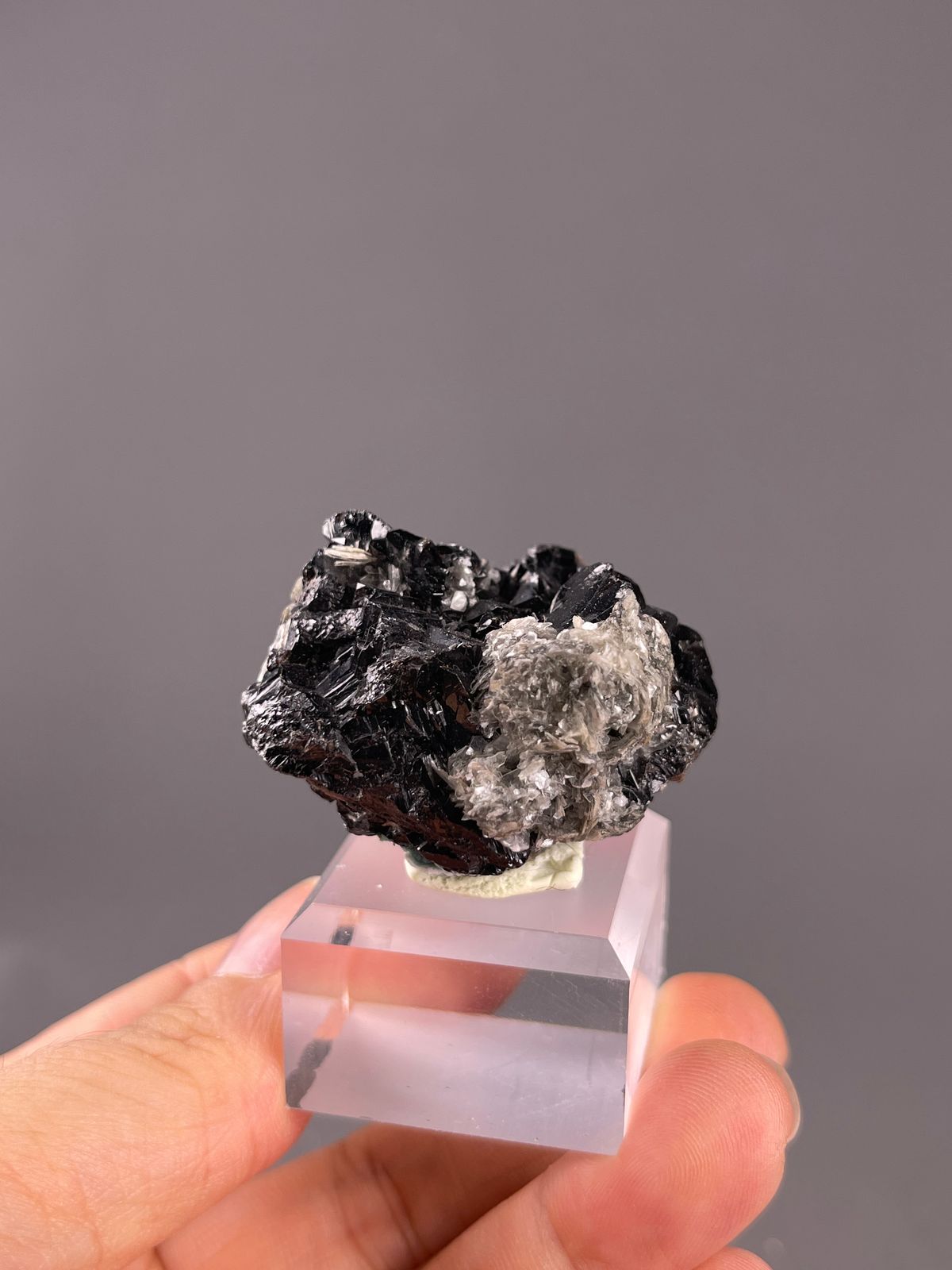
Black Cassiterite with Silvery Mica Cluster | Xuebaoding, China
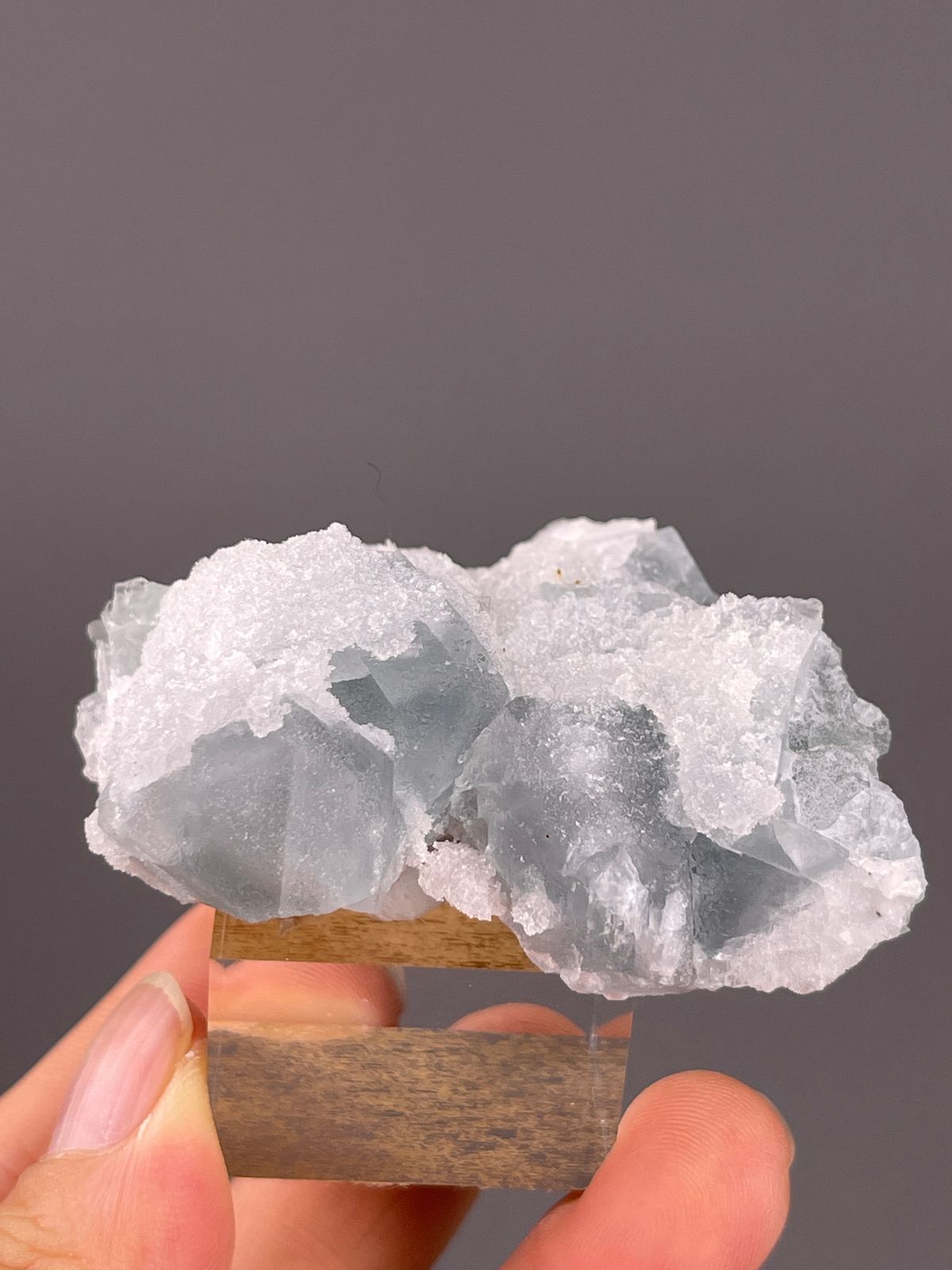
Blue-Gray Fluorite with White Quartz Coating | Fujian, China
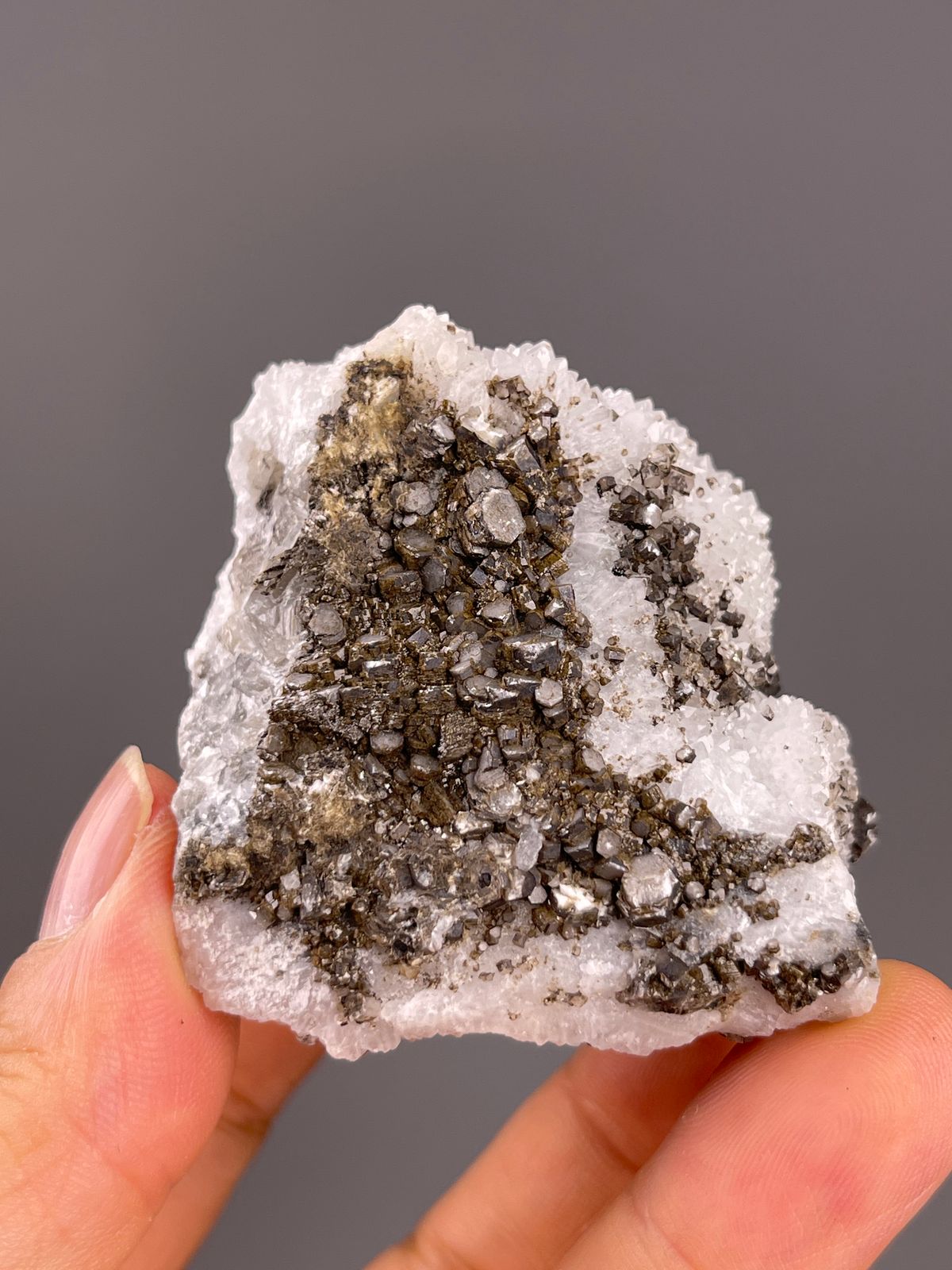
Brown Calcite Crystals in White Quartz | Fujian, China
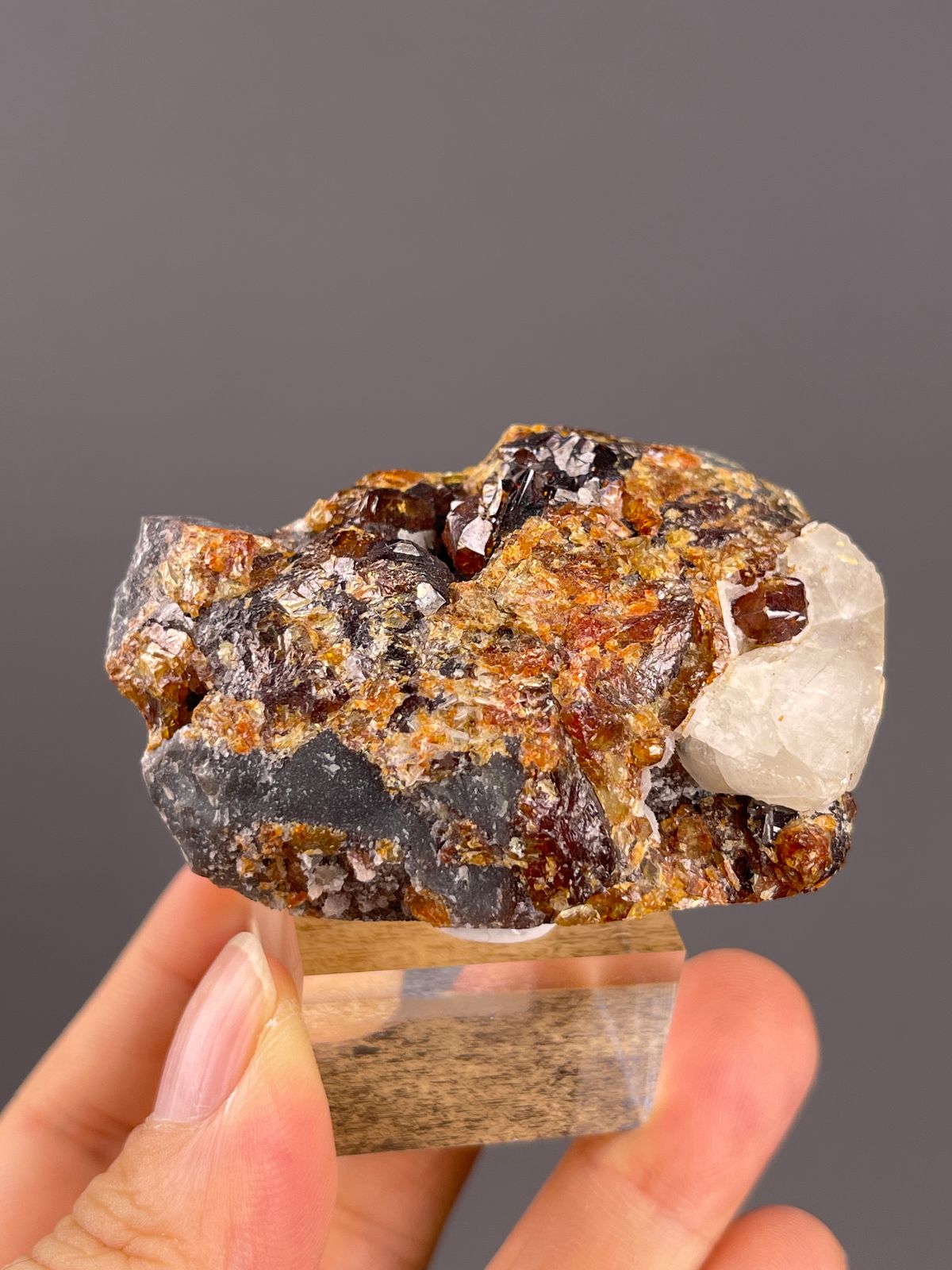
Brown Garnet with White Calcite on Dark Matrix | Yunxiao, Fujian, China
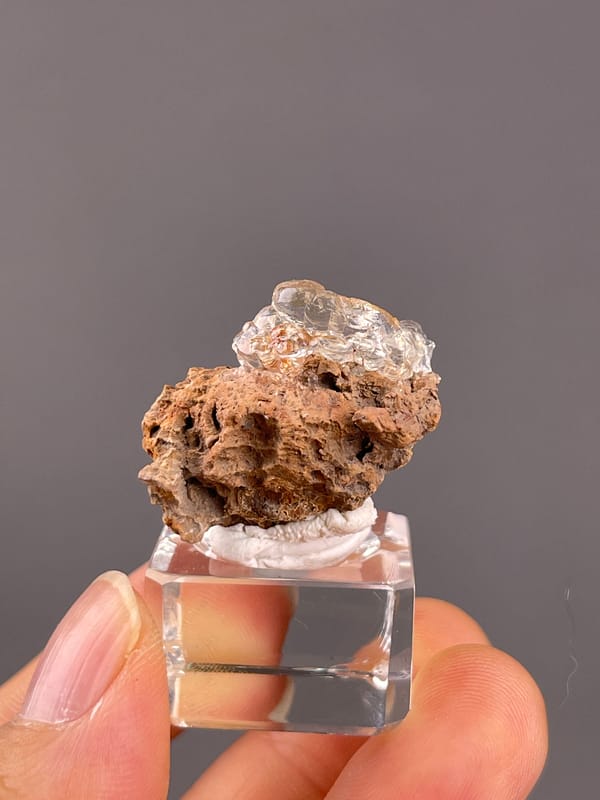
Clear Hyalite Opal on Porous Brown Matrix | Mexico
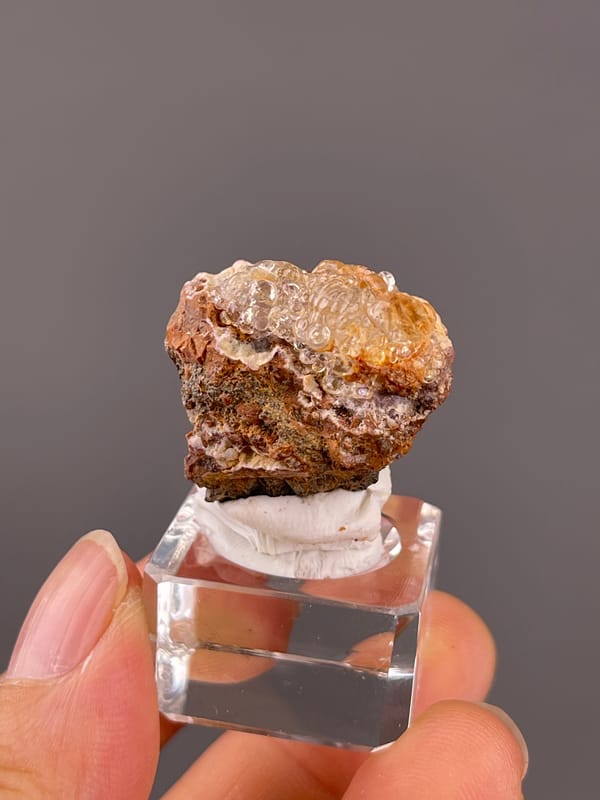
Clear Hyalite Opal over Rust-Brown Matrix | Mexico
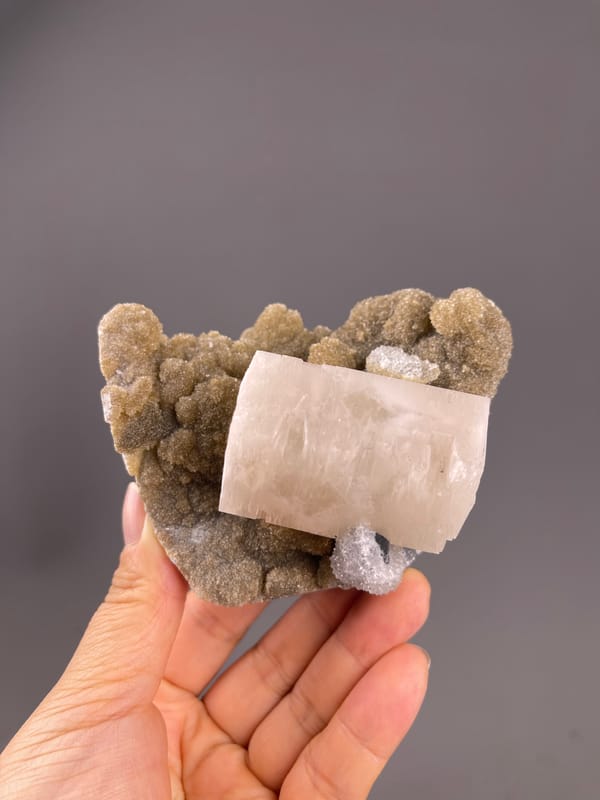
Cream Calcite Block on Quartz-Bearing Matrix | Fujian, China
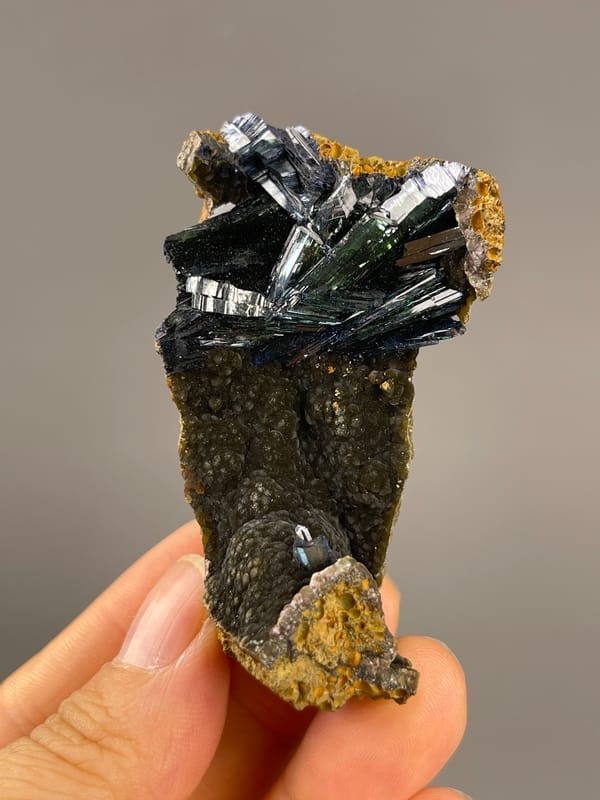
Vivianite Crystal Spray on Curved Matrix | Brazil
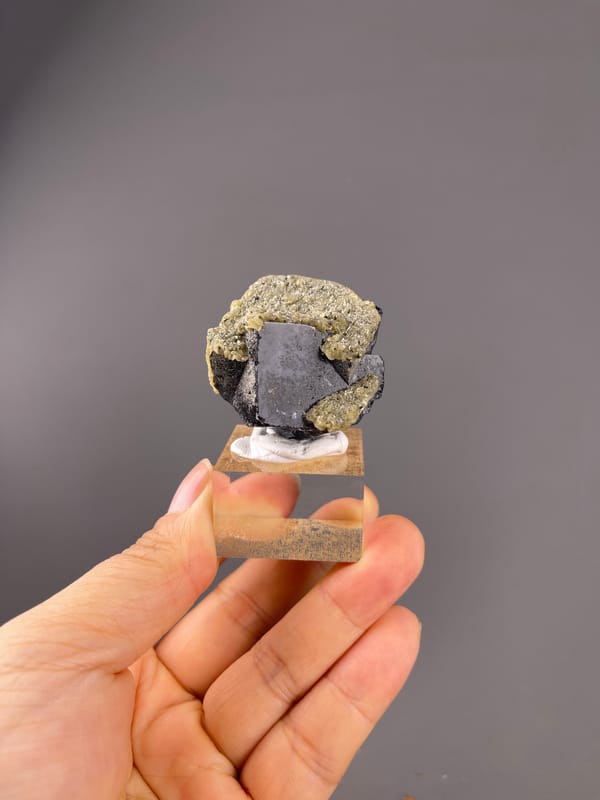
Dark Purple Fluorite with Dolomite Border | Fujian, China
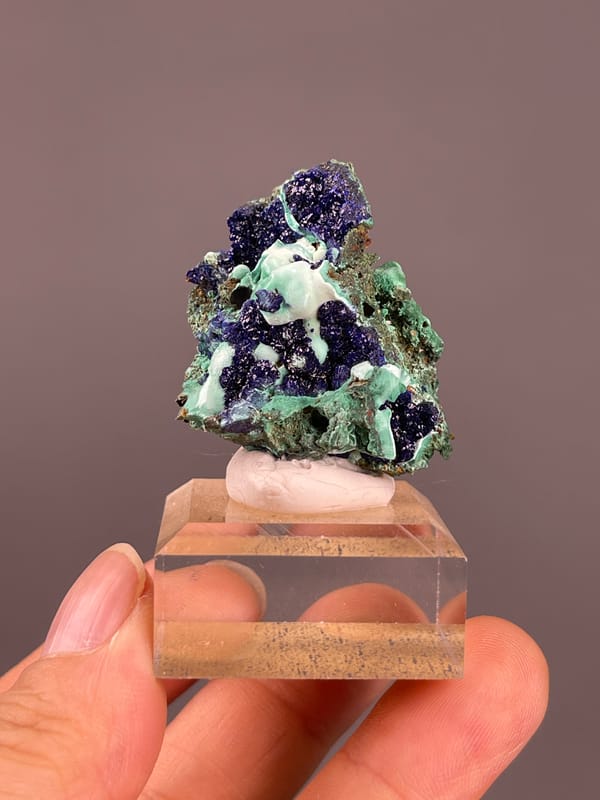
Deep Blue Azurite in Pale Green Malachite | Anhui, China
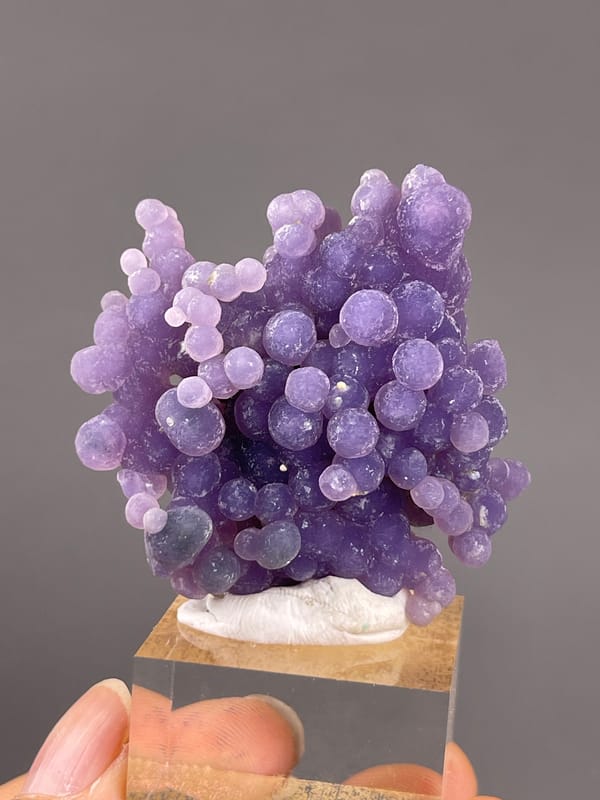
Dense Purple Grape Agate with Branching Edge | Indonesia
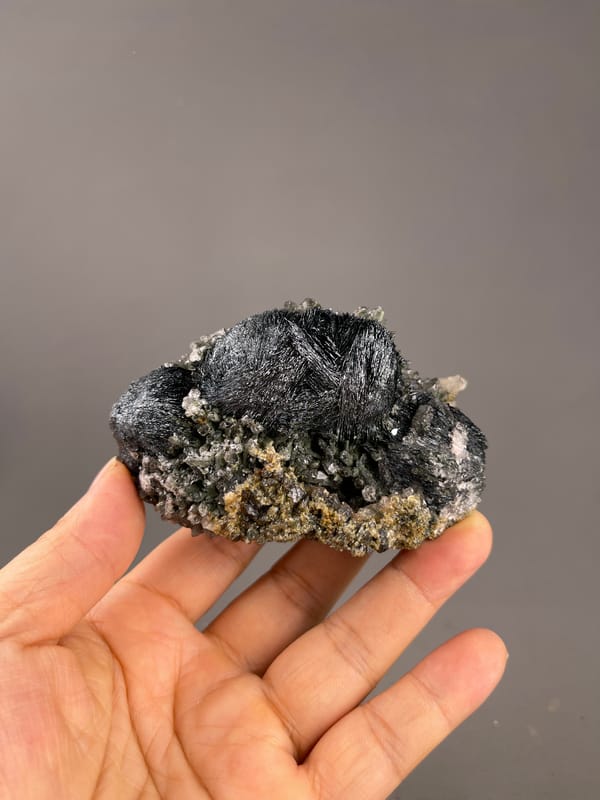
Fan-Shaped Specular Hematite with Quartz | Inner Mongolia, China
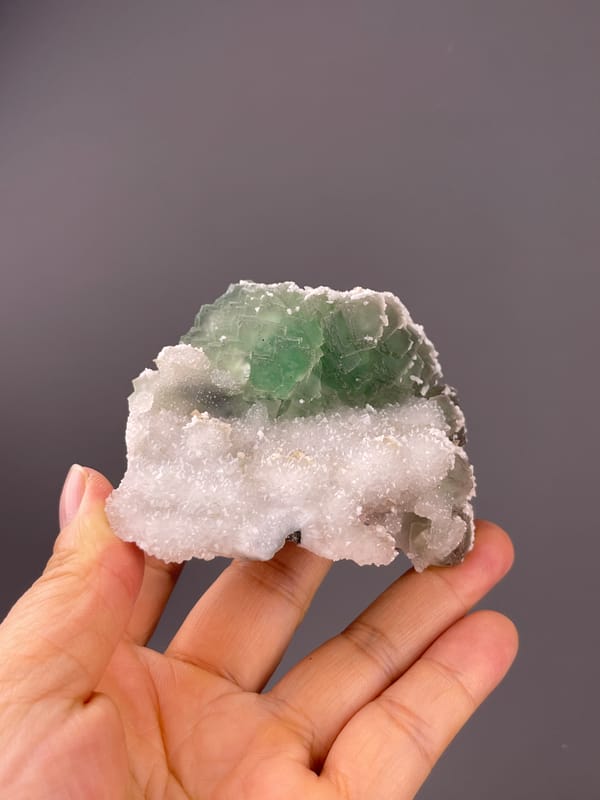
Green Fluorite above White Sugar Quartz | Fujian, China
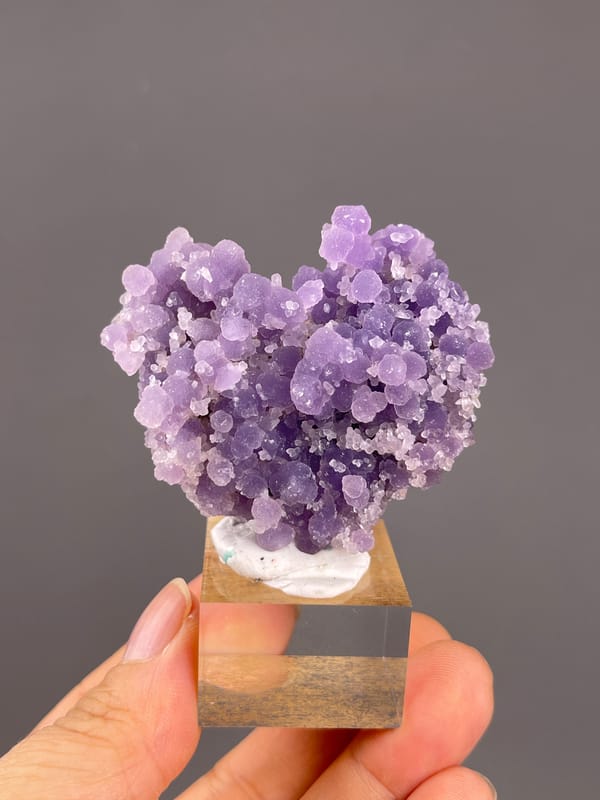
Heart-Like Purple Grape Agate Cluster | Indonesia
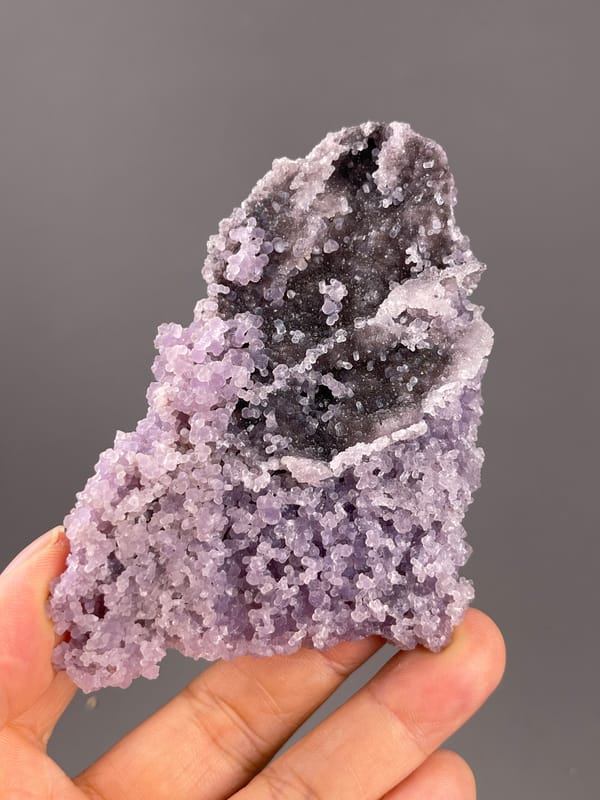
Lavender Grape Agate with Open Cavity | Indonesia
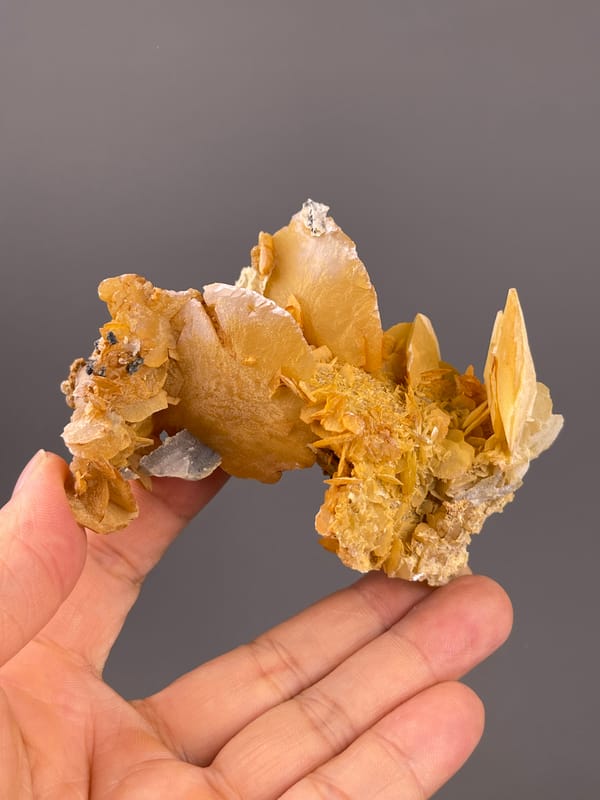
Ochre-Yellow Calcite Plates with Open Spaces | Guangdong, China
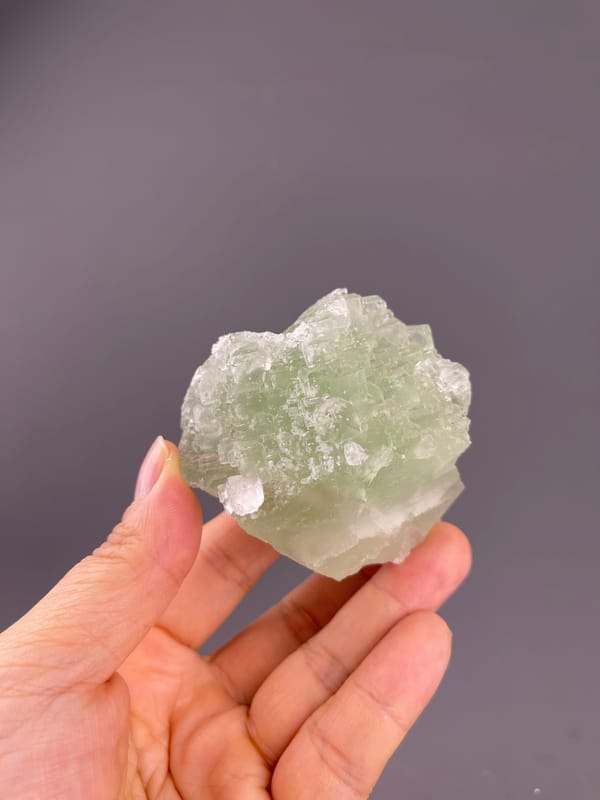
Pale Green Fluorite with Nested Crystal Steps | Fujian, China
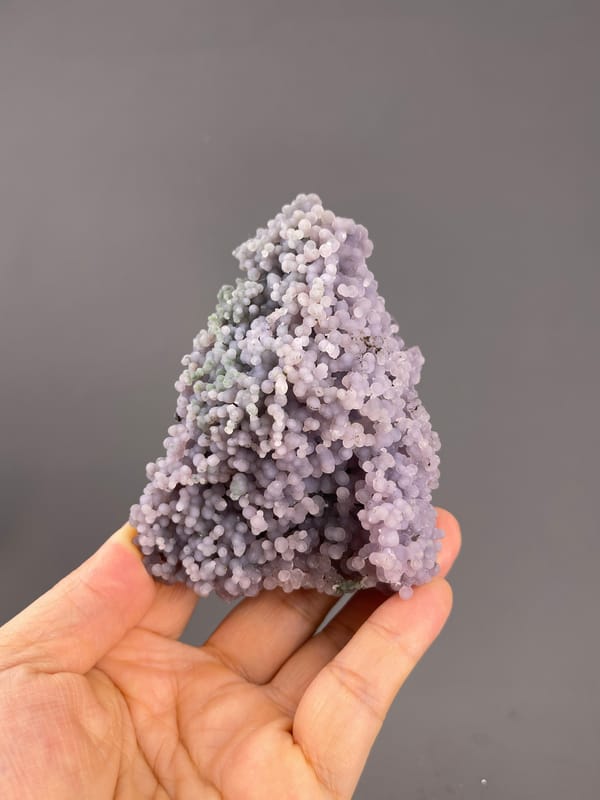
Pale Multicolor Grape Agate, Tapered Cluster | Indonesia
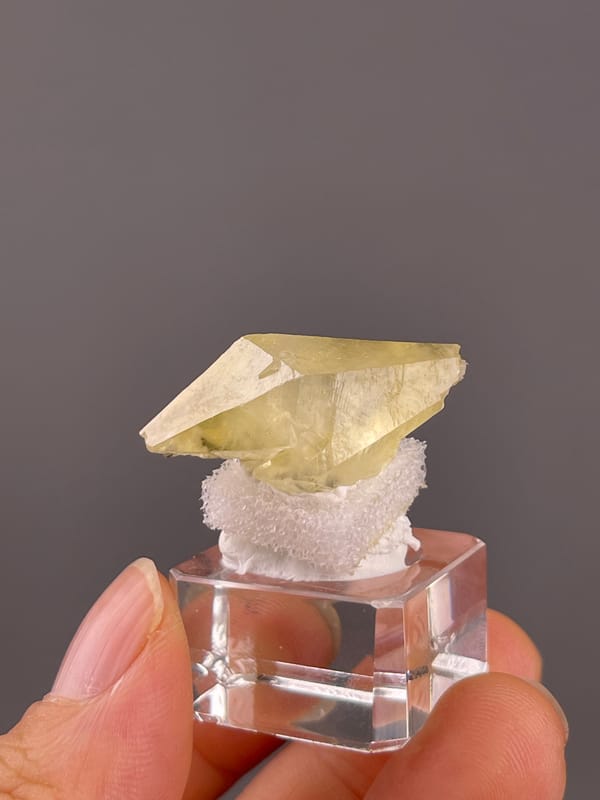
Pale Yellow Calcite Blade | Daye, Hubei, China
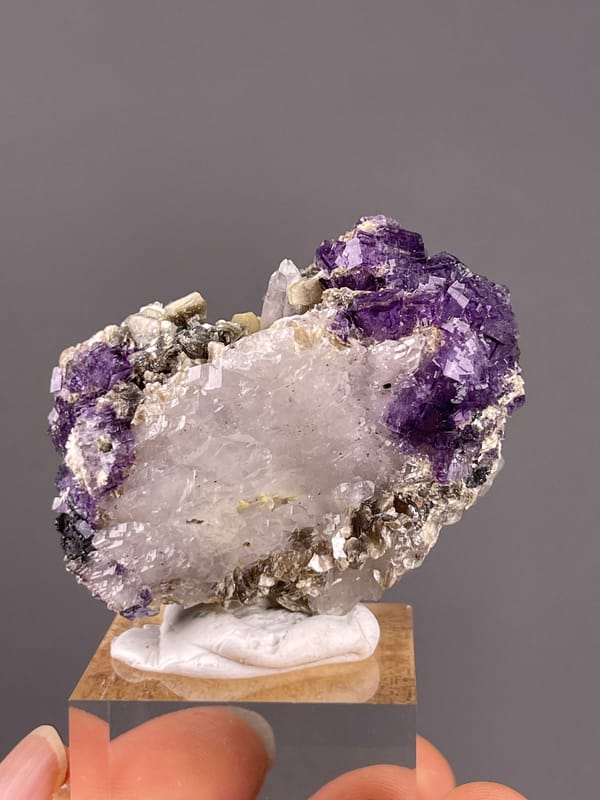
Purple Fluorite around Quartz and Mica | Yaogangxian, Hunan, China
Mineral Specimen Buying Guide
Every specimen in this catalog is a natural, unrepaired crystal or crystal group — no dyed, heat-treated, or reconstructed material. Most pieces come to us directly from Chinese localities we work with year after year: the Yaogangxian and Xianghualing mines in Hunan, the Xuebaoding beryl-scheelite pocket zone in Sichuan, and a network of miners and local dealers across Hubei, Jiangxi, and Fujian. Each piece is photographed individually, and the specimen photographed is the specimen you receive.
What makes a specimen collection-grade
Four factors drive quality in mineral specimens: condition (sharp, undamaged crystal terminations and edges), color (saturation and evenness, or attractive zoning), crystal form (well-developed faces, interesting habits such as twins or scepters), and aesthetics (how the crystals sit on their matrix — a balanced, displayable composition). Locality matters too: the same species from a classic, closed, or nearly worked-out mine carries a premium because no more will ever be produced.
Typical price bands
Entry-level thumbnails and small miniatures start under $20. Most cabinet-ready pieces in our catalog fall between $40 and $200, and the collection median sits under $100. Larger showcase and competition-grade pieces — big undamaged plates, rare associations, exceptional color — run from several hundred dollars up. Price scales with condition and rarity much faster than with size: a small, pristine, well-formed crystal is usually a better collection piece than a large damaged one.
How to choose your first pieces
Start with one species you love and learn its quality range — fluorite is a common first focus because color, transparency, and form vary so visibly. Check the photographs for chipped edges and contact marks (we photograph flaws rather than hide them, and note repairs — which we do not sell — or natural contacts in the description). Every order ships worldwide with careful double-boxed packing, and returns are easy within 14 days.
Questions about Mineral Specimens
Where can I buy authentic Chinese mineral specimens online?
MyMineralBox groups its available Chinese mineral specimens in this catalog, with item-specific photographs, locality information, dimensions, weight, and condition notes on each listing. Use the mineral and locality filters to narrow the selection, then verify the exact piece and its label details before purchasing.
Do mineral specimens need certificates of authenticity?
A certificate is not automatically proof that a mineral or locality claim is correct. More useful evidence includes photographs of the exact specimen, a specific locality, an item number, measurements, condition disclosure, and a retained label or invoice. Laboratory reports are appropriate only when a claim actually requires testing.
What should a Chinese mineral specimen label include?
A useful label should name the mineral, give the most specific supported locality, identify the country, and preserve the seller or collection reference when available. Add the specimen number and acquisition date to your own record. Do not upgrade a province-level source to a mine-level claim without supporting documentation.
How are Chinese mineral specimens shipped safely?
Each specimen is immobilized so crystals cannot strike the box, cushioned around fragile projections, and packed for tracked, insured worldwide delivery. The product photographs document the condition before shipment. Keep all packaging until you inspect the piece, and contact support promptly if the parcel or specimen arrives damaged.
What are affordable Chinese mineral specimens for beginners?
Start with the currently available Chinese specimens sorted by price, then compare exact-item photographs, condition, size, and locality documentation rather than choosing by size alone. Small calcite, quartz, pyrite, or fluorite pieces can provide an accessible starting point when they have clear labels and intact crystal features.