

Chinese Mineral Encyclopedia — provinces, famous mines, iconic species & collector guides
A reference hub for Chinese mineral species, classic localities, and collector knowledge.
China became a major modern source of fine mineral specimens. Since the 1990s, published collector literature has documented world-class fluorite, stibnite, scheelite, pyromorphite, and rare-earth crystals from named Chinese localities. This wealth comes from an unusual concentration of ore-forming geology: the Nanling tungsten–tin belt across the south, carbonatite rare-earth deposits, iron–tin skarns, and shallow antimony and mercury systems. Below you can explore the provinces, the classic localities, the signature species, and how to buy and authenticate Chinese specimens.
What this reference centre covers
This is a working dealer's reference, not an academic database. It currently holds 283 published species entries and 136 locality pages, alongside 82 collector guides (counted August 2026). China's full scientific species list is far larger — well over a thousand IMA-valid species have Chinese occurrences — and we publish entries as they reach our own quality bar rather than to inflate a counter.
Four rules govern everything here: locality names follow the current mindat hierarchy, and trade shorthands stay display-only; a specimen's locality claim needs its original label, because species, habit and colour never substitute for one; each safety topic keeps one reviewed source of truth rather than repeating itself; and where evidence stops at a province, the page says province and nothing narrower.
Chinese Minerals at a Glance
The signature species and classic localities of each collector province.
| Province | Signature minerals | Classic localities |
|---|---|---|
| Hunan | Fluorite · Stibnite · Wolframite · Scheelite · Calcite | Yaogangxian · Xianghualing · Shangbao · Shizhuyuan · Xikuangshan |
| Sichuan | Scheelite · Cassiterite · Beryl · Bastnäsite | Xuebaoding · Maoniuping |
| Guangxi | Pyromorphite · Cassiterite · sulfides | Daoping · Dachang |
| Jiangxi | Barite · Scheelite · Wolframite · Fluorite | Dexing · Yichun |
| Hubei | Calcite · Malachite · Pyrite · Chalcopyrite | Daye · Tonglushan |
| Inner Mongolia | Ilvaite · Hedenbergite · Fluorite · rare earths | Huanggang · Bayan Obo |
| Fujian | Fluorite · Pyrite | Tongbei |
| Yunnan | Cassiterite · Fluorite · Calcite | Gejiu |
| Guizhou | Cinnabar · Stibnite · Fluorite | Wanshan · Qinglong |
Iconic Chinese Mineral Species
The minerals that define Chinese collecting — tap any for its encyclopedia entry.
Where Chinese Minerals Come From
The provinces and classic mines behind the specimens — click any for its geology and current stock.
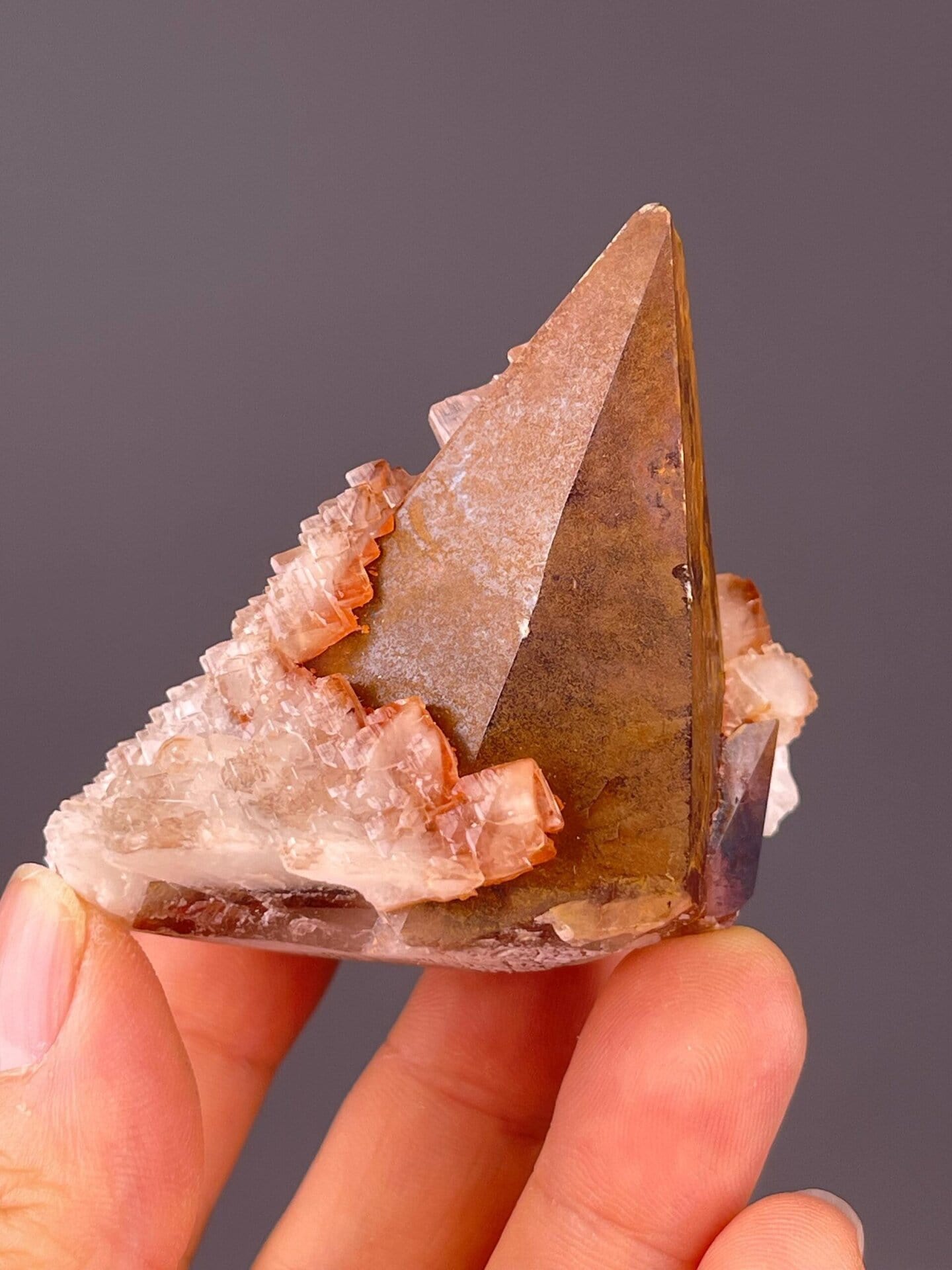
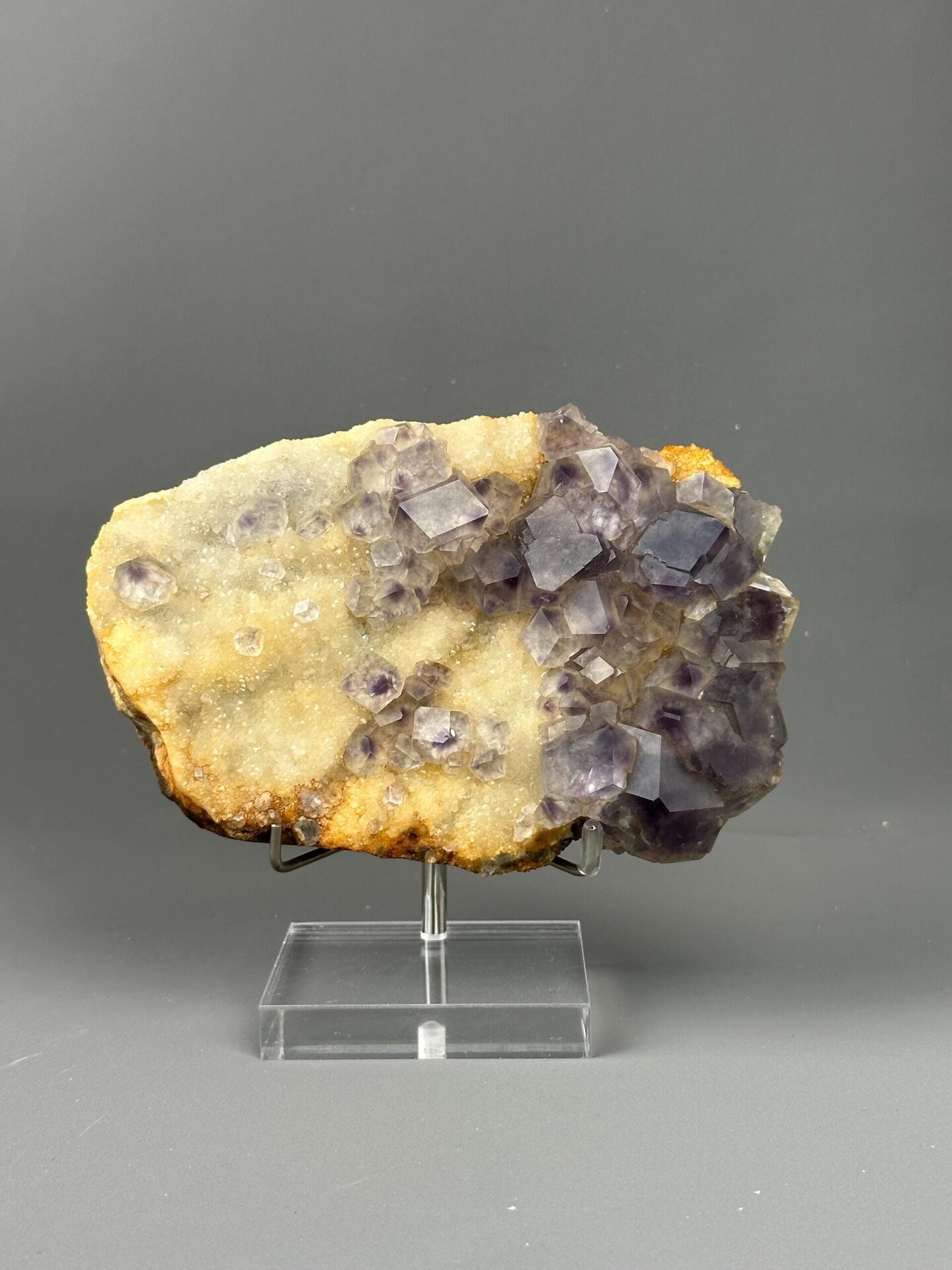
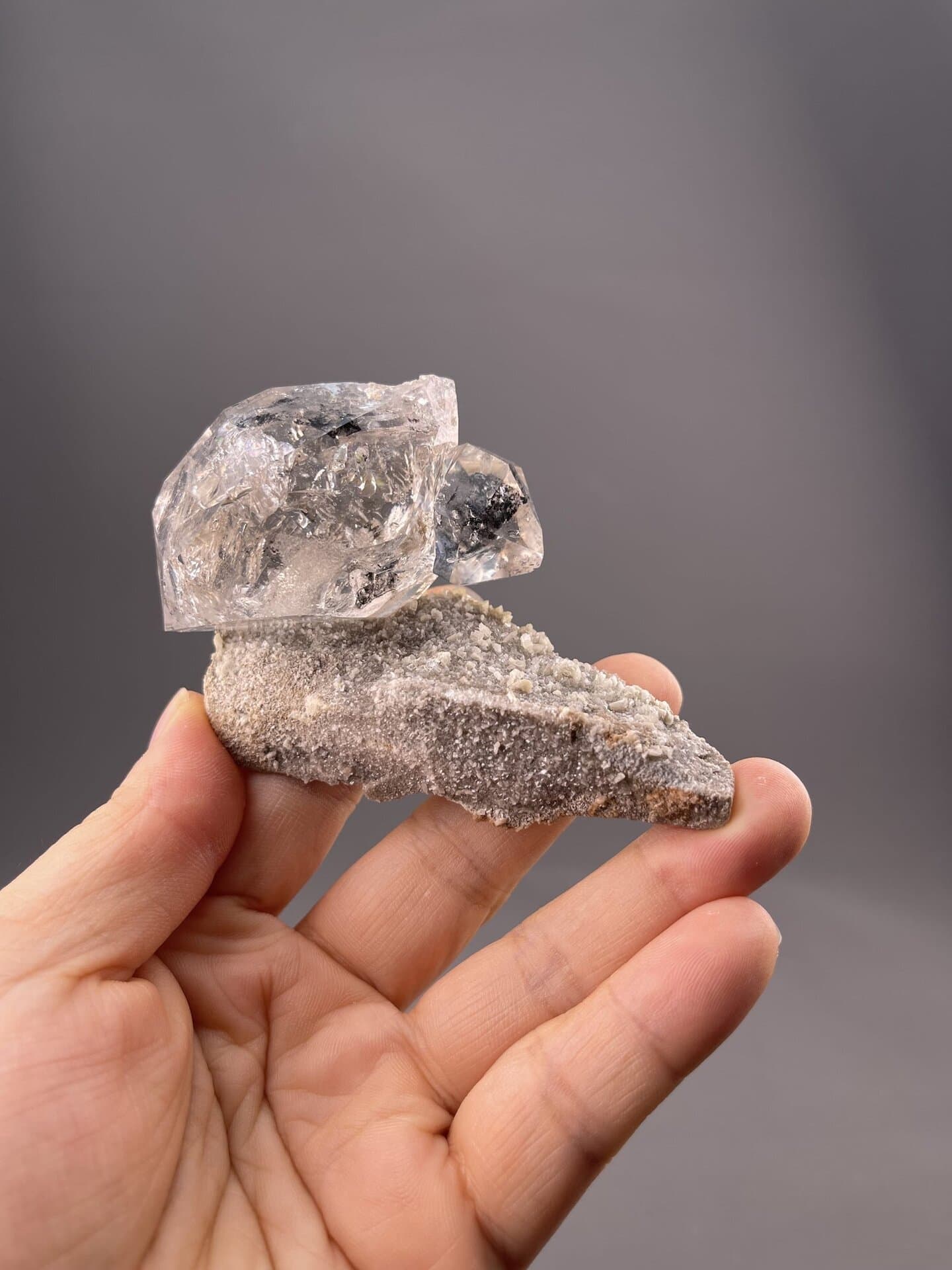
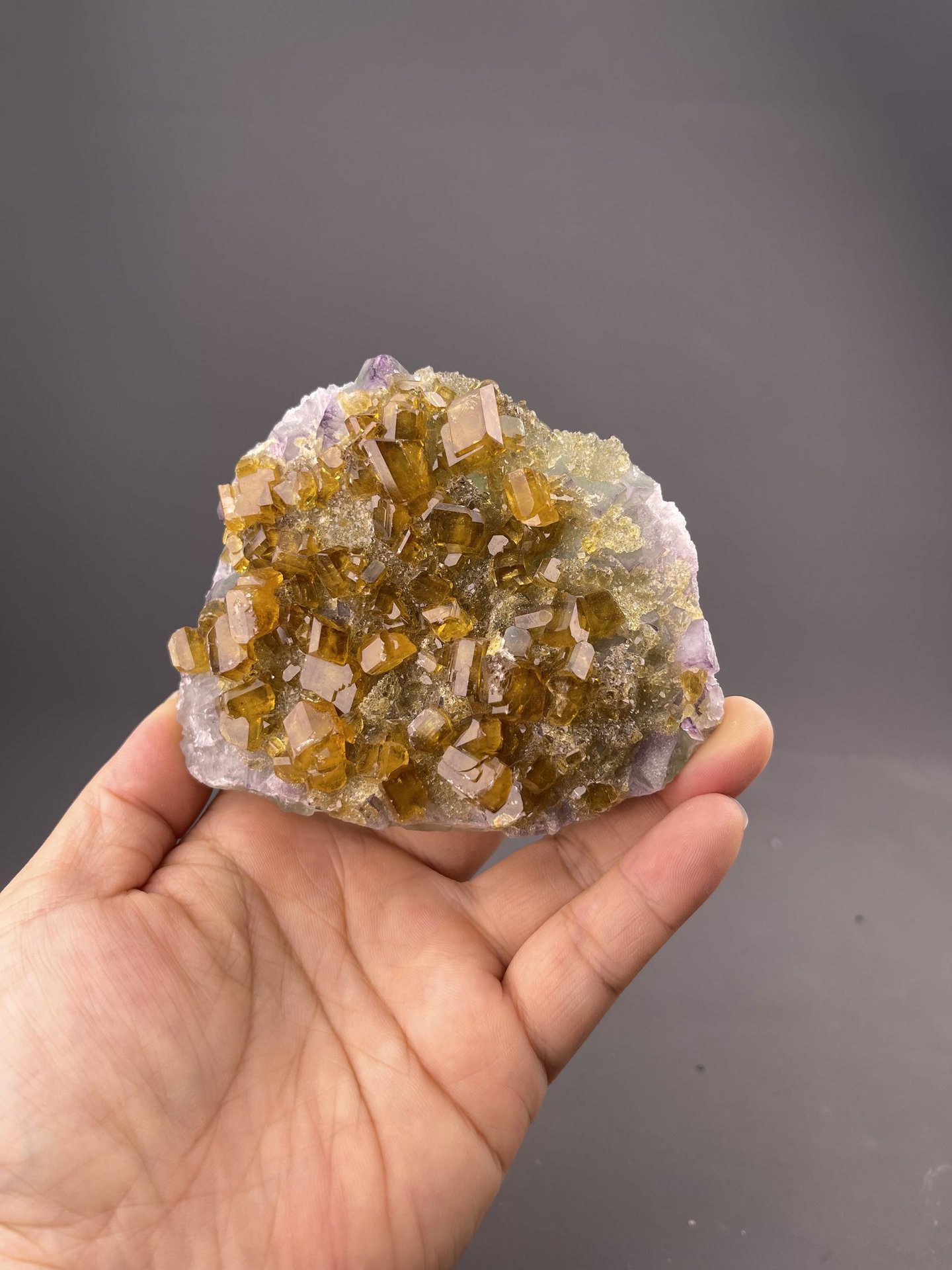
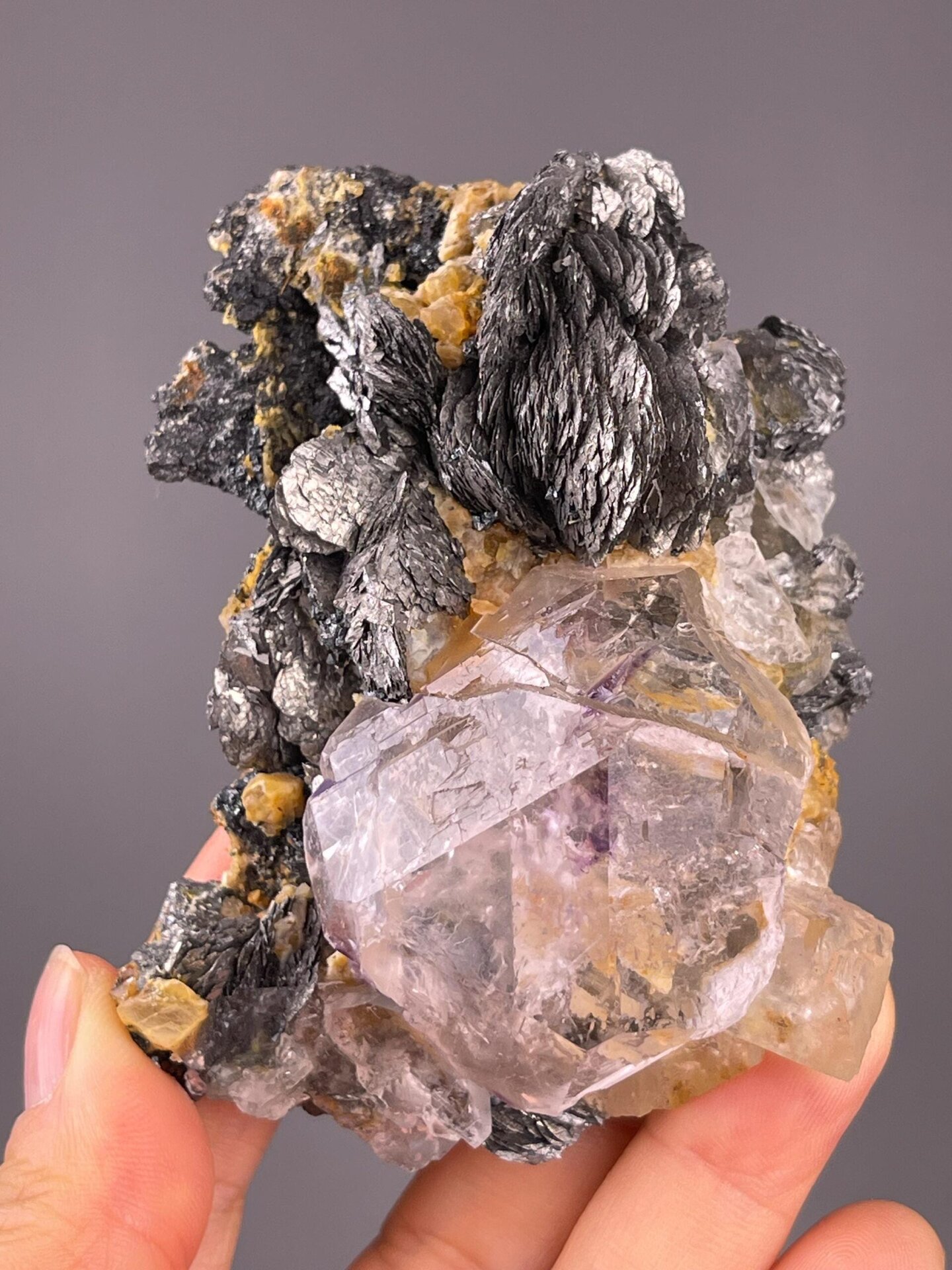
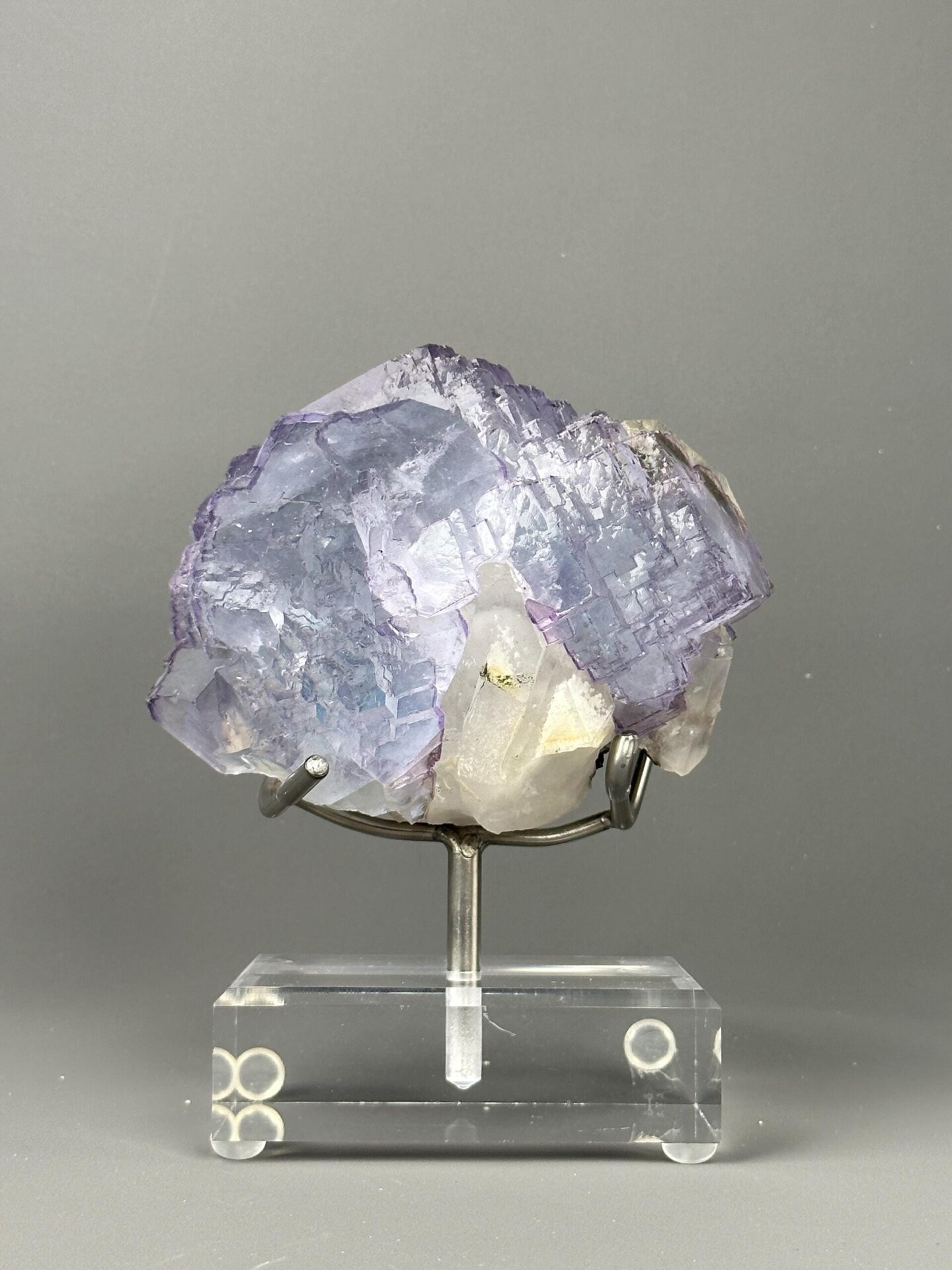
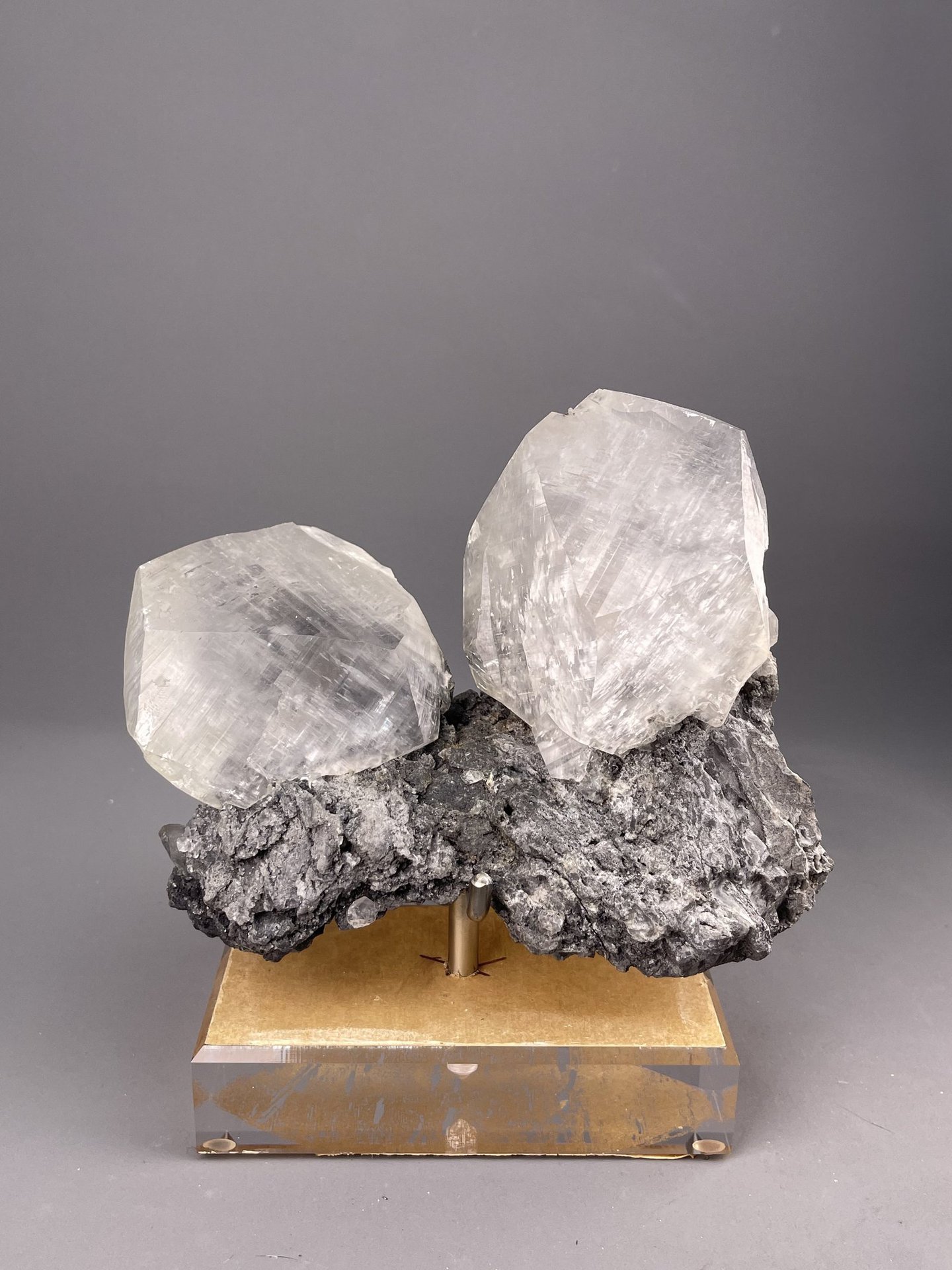
By province
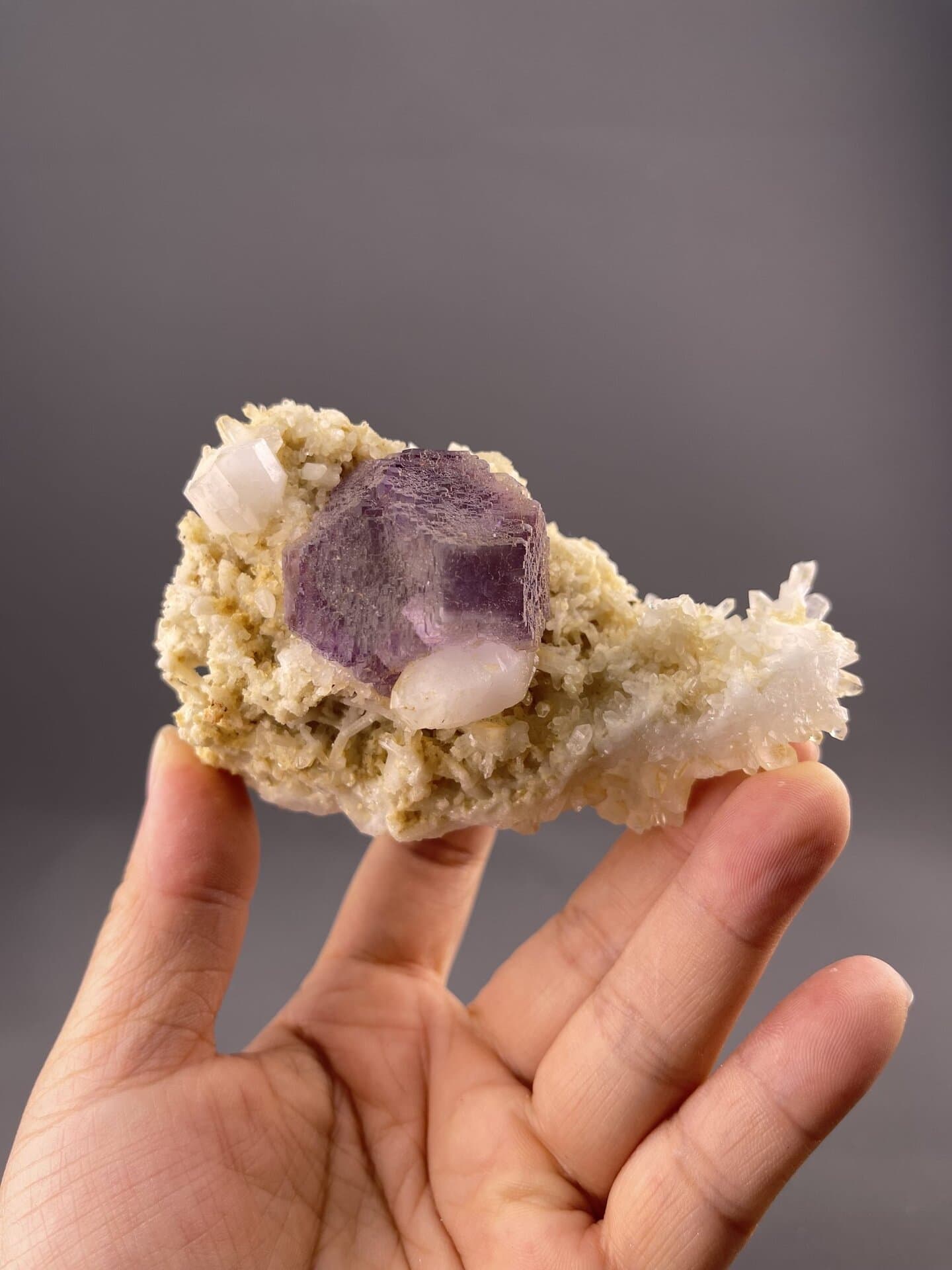
High-saturation green and purple cubic Fluorite, often sharply colour-zoned, plus fine Pyrite.
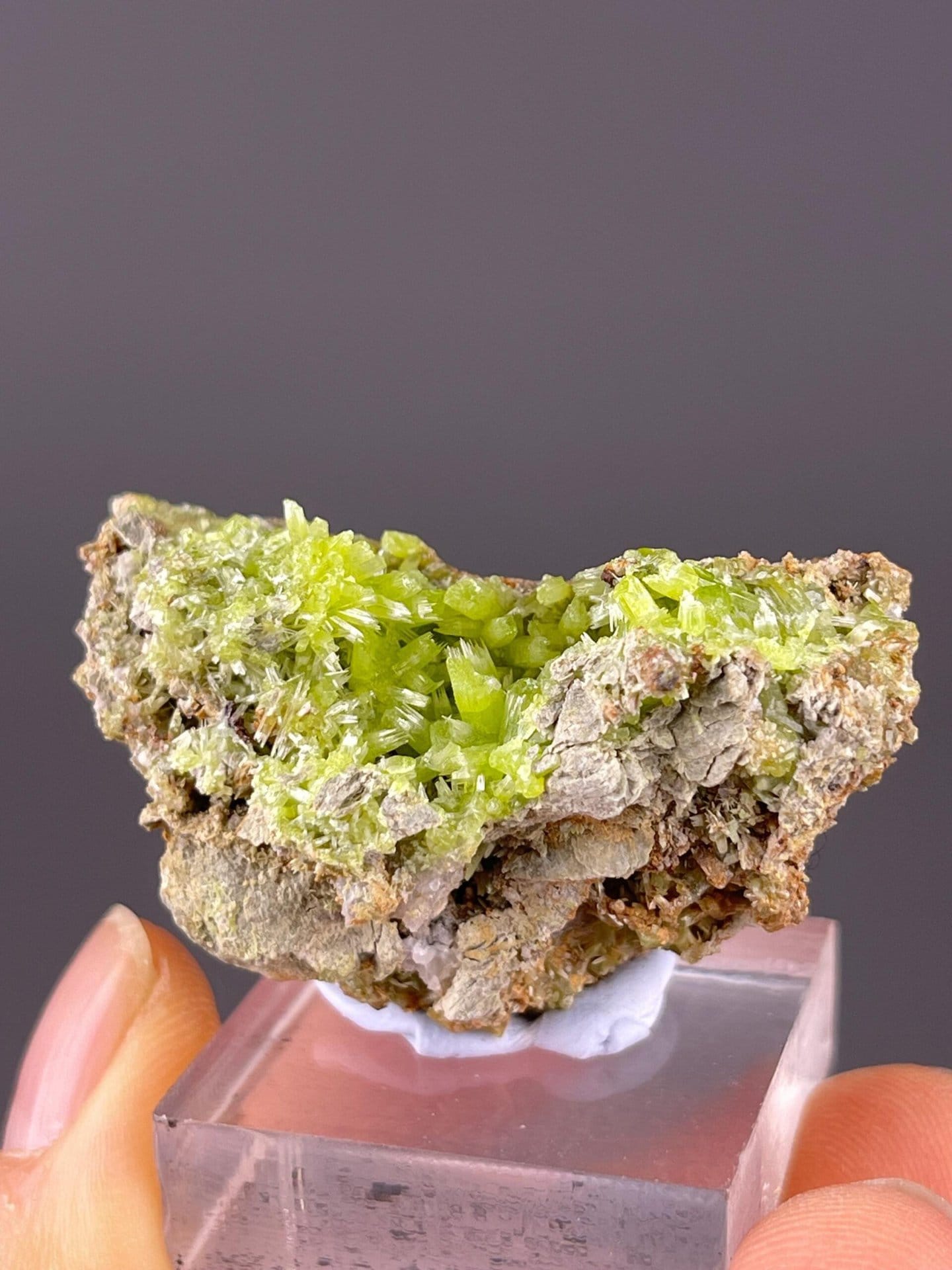
Home to Daoping, one of the world's great modern localities for grass-green Pyromorphite, and to the Sn-polymetallic Dachang ore field near Nandan.
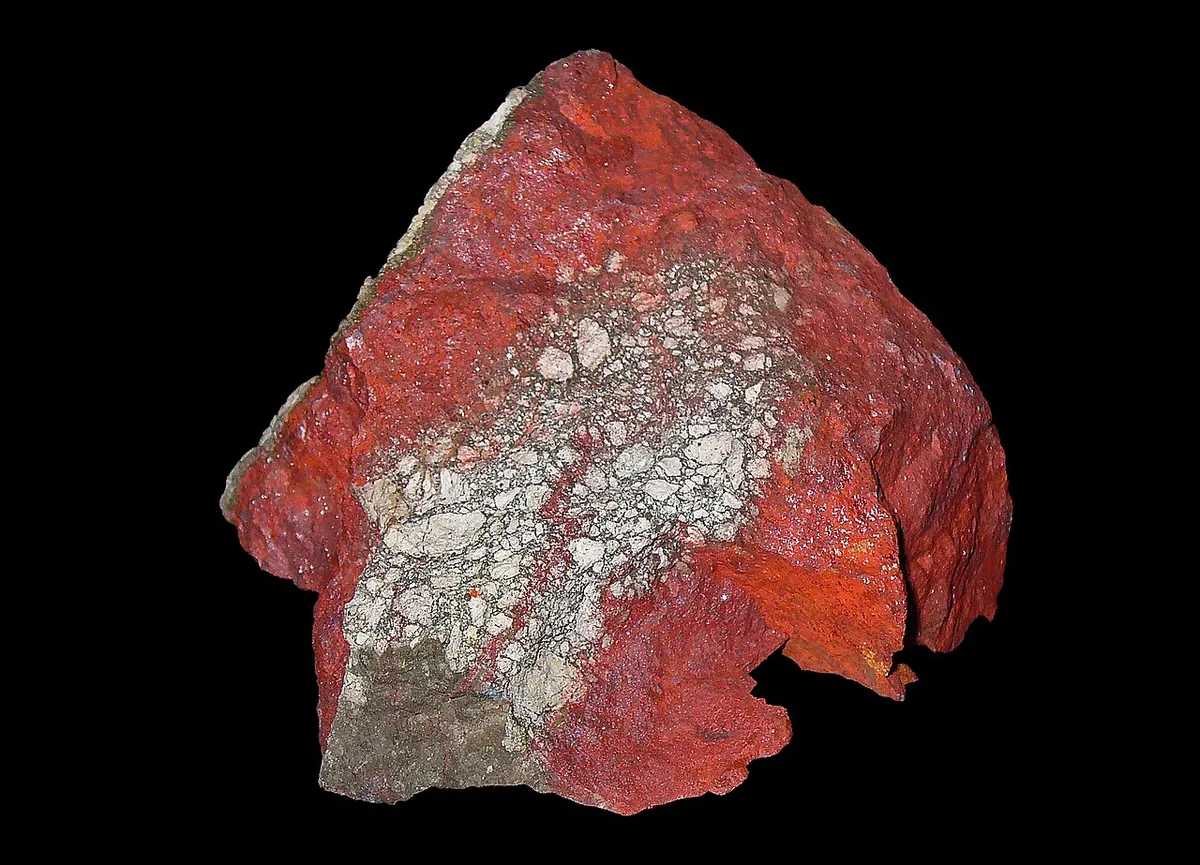
Famed for the historic Wanshan mercury district — China's "Mercury Capital" and a classic source of red Cinnabar on white dolomite — and for Tianzhu-style blue-cap and colour-zoned Fluorite.
Classic Chinese skarn territory.
China's mineral heartland.
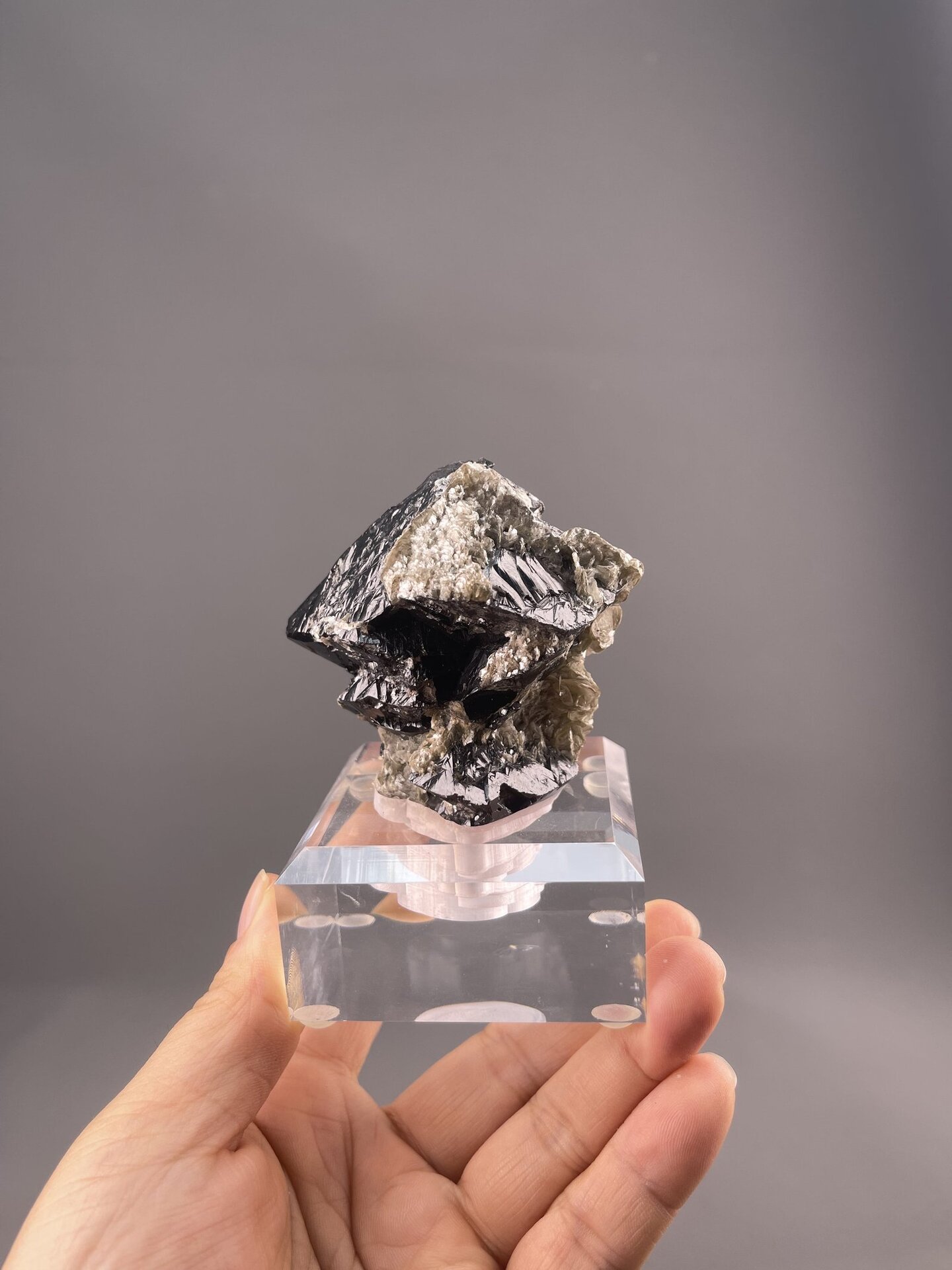
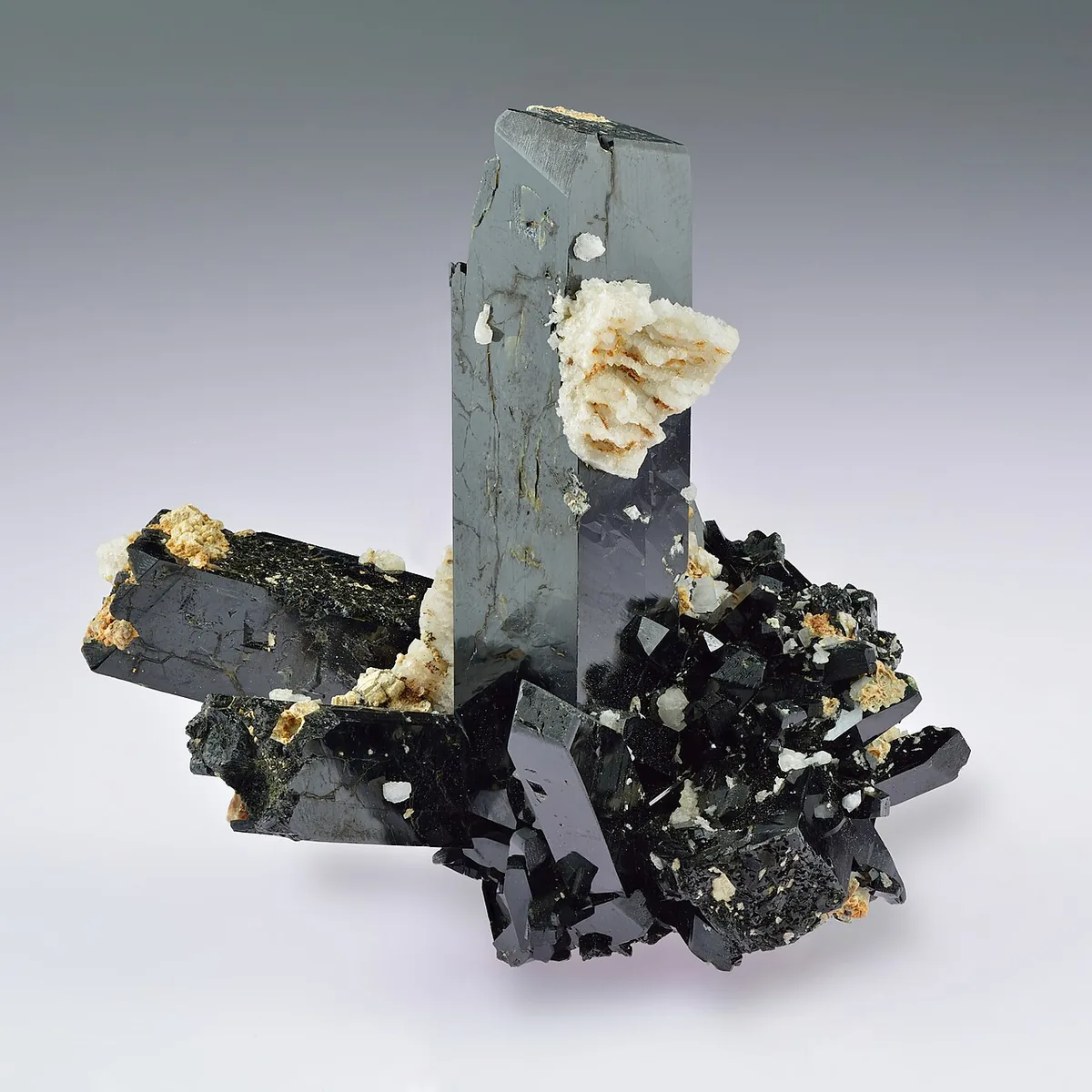
Hosts Bayan Obo — the world's largest rare-earth deposit — plus the prolific Huanggang iron-tin skarn, one of the great modern collector localities for lustrous black Ilvaite, green Hedenbergite, Andradite garnet, and Fluorite.
World-class Tungsten and rare-earth country.
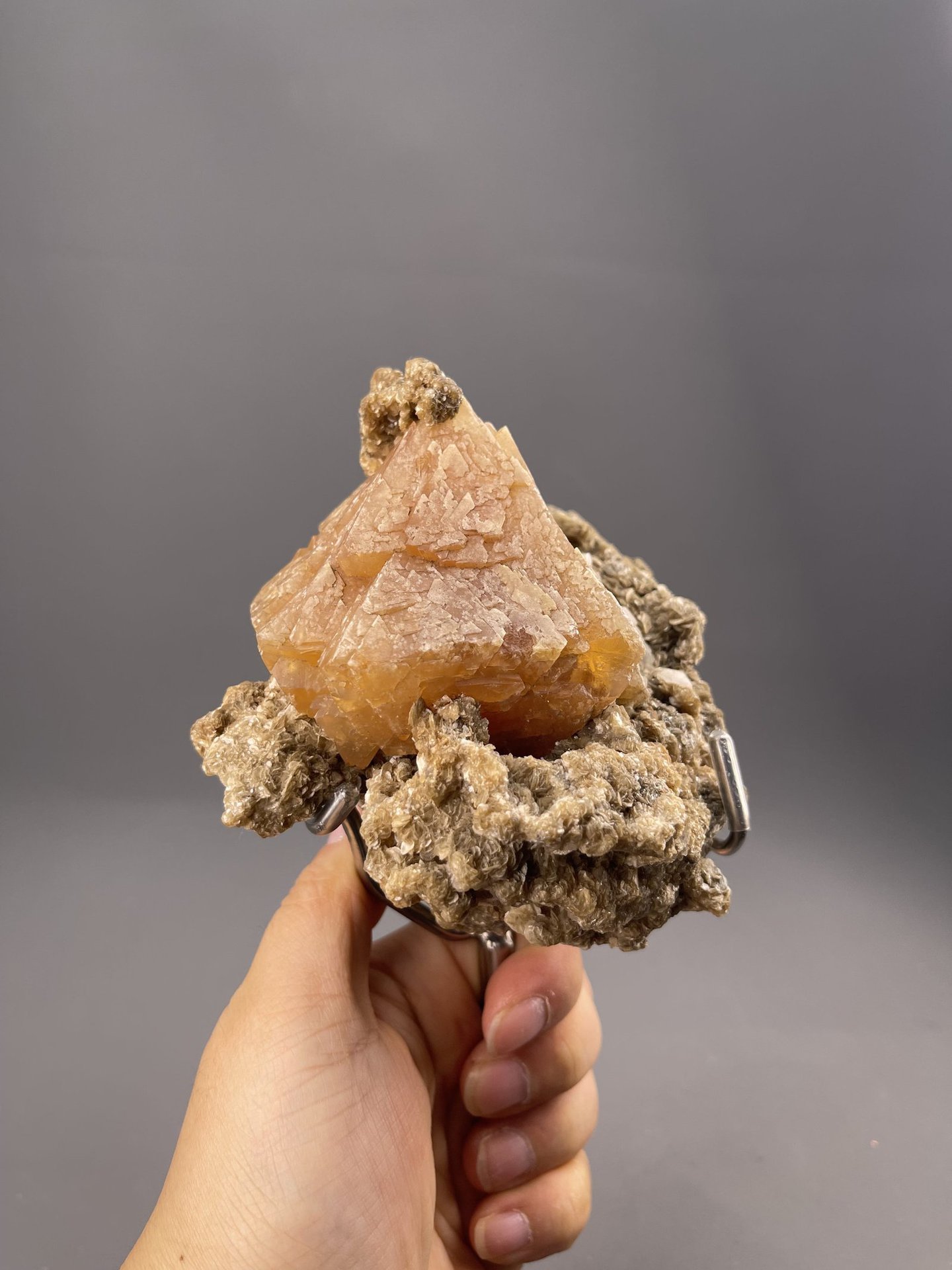
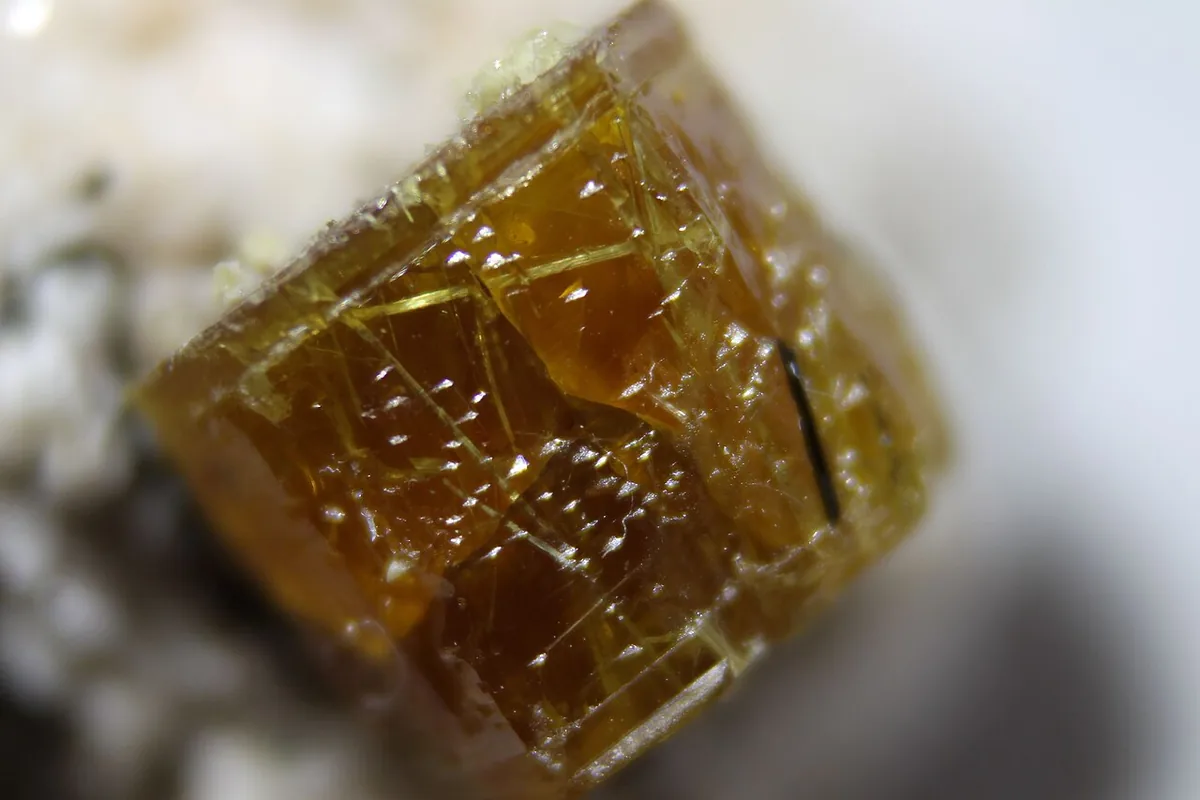
Home to Xuebaoding (Mount Little Xuebaoding, Pingwu County), famous for superb gemmy orange Scheelite, Cassiterite, and pink Beryl, and to Maoniuping, a major rare-earth deposit famed for honey Bastnäsite and black Aegirine.
Centred on Gejiu, the "Tin Capital of the World" and a 2,000-year-old Sn-polymetallic district yielding Cassiterite, Fluorite, and fine Calcite.
See all 42 Chinese mines & districts
- Anqing Cu Mine安庆铜矿ANHUI
- Baiyangping Cu-Ag Mine白羊坪铜银矿YUNNAN
 Bayan Obo Mine白云鄂博INNER MONGOLIA
 Changning Fluorite Field常宁萤石矿HUNAN
- Dabaoshan Polymetallic Mine大宝山多金属矿GUANGDONG
- Daheishan Mine大黑山钼矿JILIN
 Daoping Mine道平铅锌矿GUANGXI
 Daye District大冶HUBEI
- Dexing Mine德兴铜矿JIANGXI
- Donghai Crystal Mining District东海水晶矿区JIANGSU
 Fankou Pb-Zn Mine凡口铅锌矿GUANGDONG
 Gejiu Mine个旧锡矿YUNNAN
- Guping Mine骨平矿HUNAN
 Hetian (Khotan) Jade District和田玉矿区XINJIANG
 Huanggang Mine黄岗梁铁锡矿INNER MONGOLIA
- Jinduicheng Mine金堆城钼矿SHAANXI
- Kunyang Phosphate Mine昆阳磷矿YUNNAN
- Lianyungang Sapphire Field连云港蓝宝石矿JIANGSU
- Linwu Mine临武矿HUNAN
 Maoniuping REE Mine牦牛坪稀土矿SICHUAN
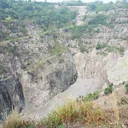 Mengyin Diamond Mine蒙阴金刚石矿SHANDONG
- Mufushan Mining District幕阜山矿区HUBEI
- Panzhihua V-Ti-Magnetite Mine攀枝花钒钛磁铁矿SICHUAN
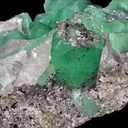 Pingwu Mine平武矿SICHUAN
- Pulang Cu Porphyry Mine普朗铜矿YUNNAN
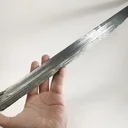 Qinglong Sb-Au Mine晴隆锑矿GUIZHOU
- Sandaozhuang Mine三道庄矿HENAN
 Shangbao Mine上堡矿HUNAN
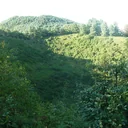 Tengchong Volcanic Field腾冲火山区YUNNAN
 Tongbai Mountains Mining District桐柏山矿区HENAN
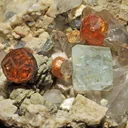 Tongbei Mine桐柏矿FUJIAN
- Tongling Mining District铜陵矿区ANHUI
 Tonglüshan Bronze-Age Cu Mine铜绿山古矿HUBEI
 Wafangdian Diamond Mine瓦房店金刚石矿LIAONING
 Wanshan Mine万山汞矿GUIZHOU
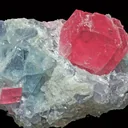 Wuzhou Mine梧州矿GUANGXI
 Xianghualing Mine香花岭HUNAN
 Xikuangshan Antimony Mine锡矿山锑矿HUNAN
- Xiuyan Jade District岫岩玉矿区LIAONING
 Xuebaoding Mine雪宝顶SICHUAN
 Yaogangxian Mine瑶岗仙矿HUNAN
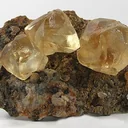 Yongping Mine永平铜矿JIANGXI
Thumbnails for mines without a dedicated locality page use freely-licensed photographs from Wikimedia Commons, hand-checked for provenance: Pingwu (emerald) — Parent Géry, Public domain (source); Wuzhou (rhodochrosite) — Parent Géry, CC BY-SA 3.0 (source); Tongbei (spessartine) — Parent Géry, CC BY-SA 3.0 (source); Changning (sphalerite) — Robert M. Lavinsky, CC BY-SA 3.0 (source); Qinglong (stibnite) — Robert M. Lavinsky, CC BY-SA 3.0 (source); Tongbai (native silver) — Parent Géry, CC BY-SA 3.0 (source); Yongping (calcite) — Robert M. Lavinsky, CC BY-SA 3.0 (source); Tonglüshan (mine site) — Huanokinhejo, CC BY-SA 4.0 (source); Tengchong (volcano) — STW932, CC BY-SA 4.0 (source). The Mengyin diamond-pit photo is credited on its locality page.
Chinese Mineral Collector Guides
Expert knowledge for buying with confidence — identification, authentication, and collector strategy.
Identification
Authentication & trust
Collector strategy
Province guides
Chinese minerals explained
Shop Chinese mineral specimens
Every piece hand-selected, photographed, and numbered before listing — fluorite, scheelite, stibnite, calcite and more, straight from classic Chinese localities. Browse the full Chinese fluorite inventory. Compare current stock from Yaogangxian fluorite, Xianghualing fluorite, Shangbao fluorite, Fujian fluorite, Xuebaoding scheelite, and Lengshuijiang stibnite.
Chinese Minerals — Frequently Asked
Why are Chinese mineral specimens so popular with collectors?
What is China’s most famous mineral?
What are the most famous Chinese mineral localities?
What is Xuebaoding known for?
Which Chinese province is best known for fluorite?
What is the Nanling tungsten–tin belt?
Why are so many Chinese minerals found in skarns?
Are Chinese mineral specimens good value?
How can I tell if a Chinese fluorite specimen is enhanced?
Do you also sell Chinese mineral specimens?
Chinese Minerals in Depth
The geology, the signature species, the collecting regions, and how to buy with confidence.
China is a major modern source of fine mineral specimens. For most of the twentieth century the classics in Western collections came from Europe, the Americas, and Africa; China was nearly a blank on the collector map. That changed from the 1990s onward, as the country's mines opened to the specimen trade and a large domestic collecting culture emerged. Published collector literature now documents world-class fluorite, stibnite, scheelite, pyromorphite, cinnabar, and rare-earth specimens from named Chinese localities.
Why China produces such variety
The reason is geological breadth. Southern China straddles the Nanling tungsten–tin metallogenic belt, one of the richest W–Sn zones on Earth, threading through Hunan, Jiangxi, and Guangdong and yielding the granite-related fluorite, wolframite, scheelite, and cassiterite the country is famous for. Beyond it sit carbonatite rare-earth giants (Bayan Obo in Inner Mongolia, Maoniuping in Sichuan), iron–tin skarns (Huanggang, Daye), and shallow epithermal antimony and mercury deposits (Xikuangshan, Wanshan). Few countries pack so many ore-forming environments — and therefore so many well-crystallised species — into one place.
The signature species
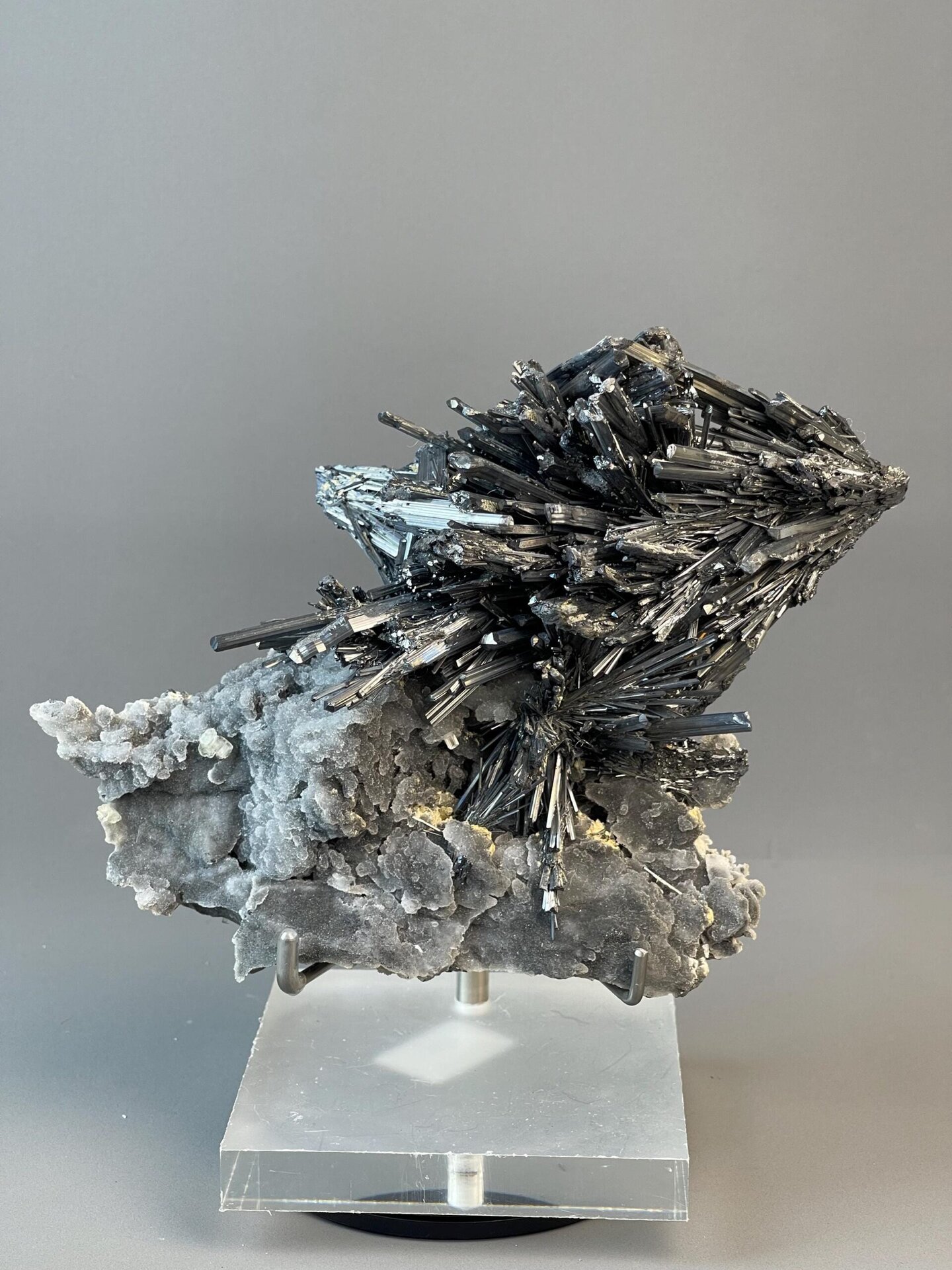
Fluorite is the species most associated with China: the green and purple cubes of Yaogangxian, the stepped “mushroom” and octahedral fluorite of Xianghualing, and the phantom-zoned crystals of Shangbao set the modern global benchmark. Alongside it, China is the reference source for bladed stibnite (Xikuangshan / Lengshuijiang), gemmy orange scheelite (Xuebaoding), grass-green pyromorphite (Daoping), red cinnabar (Wanshan), honey-coloured bastnäsite (Maoniuping), and the lustrous black ilvaite and green hedenbergite of the Huanggang skarn.
The collecting regions
Hunan is the heartland — fluorite and stibnite above all. Inner Mongolia pairs the world-class Huanggang skarn with the colossal Bayan Obo rare-earth deposit. Guangxi includes the globally important modern pyromorphite locality at Daoping; Sichuan the scheelite of Xuebaoding and the bastnäsite of Maoniuping; Yunnan the two-thousand-year-old tin district of Gejiu; Guizhou the historic cinnabar of Wanshan. Each region has its own look, and learning to read those locality “signatures” is much of the pleasure of collecting Chinese minerals.
Natural, treated, and how to buy
Most Chinese specimens are natural, but the field is young and the supply large, so provenance and condition reward attention. A minority are cleaned, repaired, stabilised, or occasionally coated or dyed — standard practice in the mineral trade, but worth understanding before you buy. The most useful habits are simple: ask the seller what, if anything, was done to a piece; prefer sellers who photograph the actual specimen rather than a stock image; and treat very broad locality labels with healthy caution. Our Natural vs Treated Chinese Minerals guide explains what to look for, and How We Source & Verify Localities describes how we photograph each specimen and describe origin conservatively.
Key Terms
Plain-language definitions of the minerals and geology behind Chinese specimens.
- Fluorite
- Calcium fluoride (CaF₂), a halide mineral and China’s signature collector species — cubic, octahedral, and phantom-zoned crystals in green, purple, and blue from Hunan and Fujian.
- Scheelite
- Calcium tungstate (CaWO₄), a tungsten ore mineral. Xuebaoding in Sichuan is the classic source of gemmy orange octahedra.
- Stibnite
- Antimony sulfide (Sb₂S₃), forming bladed metallic-grey crystals. Xikuangshan (Lengshuijiang) in Hunan is the world’s largest antimony deposit.
- Pyromorphite
- A lead chlorophosphate (Pb₅(PO₄)₃Cl). Daoping in Guangxi is the global benchmark for grass-green barrel crystals.
- Cinnabar
- Mercury sulfide (HgS) — red crystals on dolomite from the historic Wanshan mercury district in Guizhou.
- Bastnäsite
- A rare-earth fluorocarbonate. Honey-coloured crystals come from the Maoniuping carbonatite in Sichuan.
- Skarn
- A calc-silicate rock formed where hot fluids alter carbonate rock at an intrusion contact — the source of the Huanggang and Daye ilvaite, hedenbergite, and garnet.
- Carbonatite
- A rare carbonate-rich igneous rock; host of the Bayan Obo and Maoniuping rare-earth deposits.
- Nanling belt
- The tungsten–tin metallogenic belt of southern China (Hunan, Jiangxi, Guangdong) — the granite-related source of much Chinese fluorite, wolframite, scheelite, and cassiterite.
Sources & Further Reading
- USGS Mineral Resources Program
- International Mineralogical Association (IMA)
- Mineralogical Record — Daoping–Yangshuo pyromorphite report (2024)
- Mineralogical Record — Xuebaoding beryl-scheelite deposit study
- Mineralogical Record — Crystalline Treasures of China
- Mineralogical Record — Hongda silver-acanthite discovery report