
Iolite
Curated by Maggie Liu · Updated:
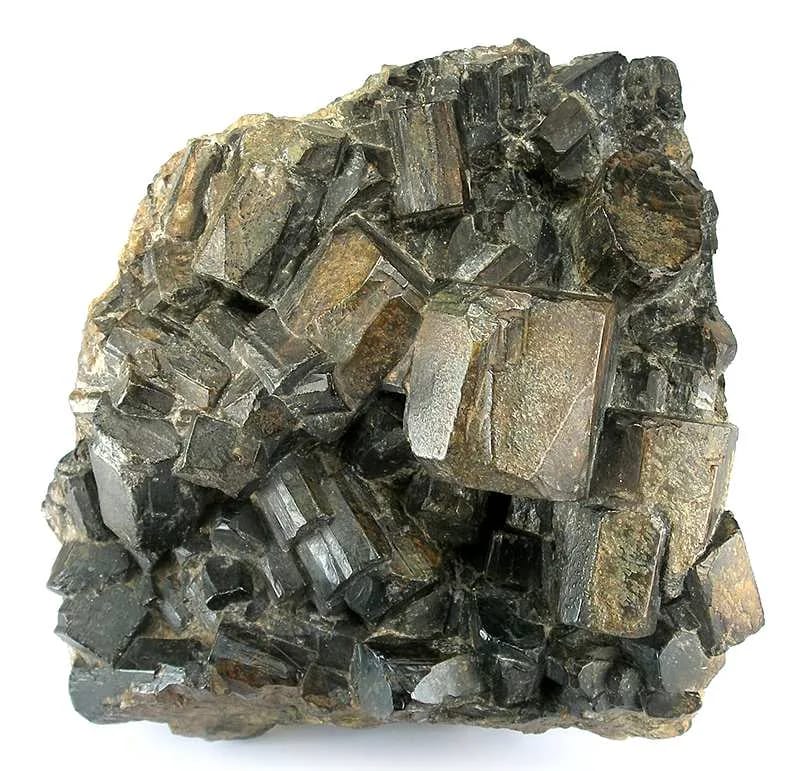
About Ioliteextended article
Iolite is the transparent blue-violet gem variety of cordierite, a magnesium aluminium silicate. Its name derives from the Greek for violet. Iolite is famous for very strong pleochroism: a single crystal can look deep blue, pale grey and yellowish from three different directions, which earned it the old name 'water sapphire' and, by tradition, use as a navigation aid.
Properties
Cordierite is orthorhombic, hard (7–7.5) and has a vitreous lustre. Because of the marked pleochroism, cutters must orient stones precisely so the best blue shows face-up. It is most often confused with sapphire and tanzanite.
Occurrence
Iolite forms in metamorphic rocks such as gneiss and in some pegmatites, and accumulates in gem gravels. Sri Lanka, India, Madagascar, Tanzania, Brazil and Myanmar are notable sources.
Frequently asked questions
What is the chemical formula of Iolite?
The chemical formula of Iolite is Mg2Al4Si5O18.
What crystal system does Iolite belong to?
Iolite crystallises in the Orthorhombic crystal system.
Related minerals
Looking for a Iolite specimen?
Our inventory is one-of-a-kind and turns over quickly. Tell us what you're after — species, size, budget — and we'll notify you when a matching Iolite arrives from our sourcing network.
Request this mineral