
The 10 reference minerals
1 talc, 2 gypsum, 3 calcite, 4 fluorite, 5 apatite, 6 orthoclase, 7 quartz, 8 topaz, 9 corundum, 10 diamond. Each one scratches the level below and is scratched by the level above. The scale is ORDINAL — diamond isn't 'ten times harder' than talc, just the hardest of these ten. The absolute hardness gap from corundum (9) to diamond (10) is bigger than the gap from talc (1) to corundum (9).
Field-test items
Fingernail ~2.5. Copper coin ~3. Steel knife / nail ~5.5. Streak plate (unglazed porcelain) ~6.5. A piece of quartz from your own collection ~7. Carrying just those four tools handles 95% of common collecting questions. If a mineral scratches glass (~5.5) but a knife scratches it, you're between 5.5 and 6.5 — probably feldspar or one of the pyroxenes.
Common pitfalls
Test on a fresh face, not a weathered crust. Use a fresh point on the test tool — a worn knife edge gives false-low readings. Brittle minerals (like stibnite) can flake instead of scratch, fooling you into thinking they're harder than they are. And remember Mohs measures scratch resistance, not toughness — quartz (7) shatters more easily than nephrite jade (6.5) because jade's interlocking fibrous structure resists fracture.
How to run a scratch test correctly
A scratch test compares two materials: the harder one leaves a permanent groove in the softer one. Always test the unknown against your reference, then reverse it to confirm — if your quartz marks the specimen but the specimen does not mark the quartz, the specimen is softer than 7.
Work on an inconspicuous spot, press with steady moderate force, and wipe away the powder afterward. A common beginner mistake is reading the powder trail as a scratch; rub it off and look for an actual incised line under a loupe. False 'scratches' are often just smeared softer material left behind by the tool.
Using hardness to tell Chinese specimens apart
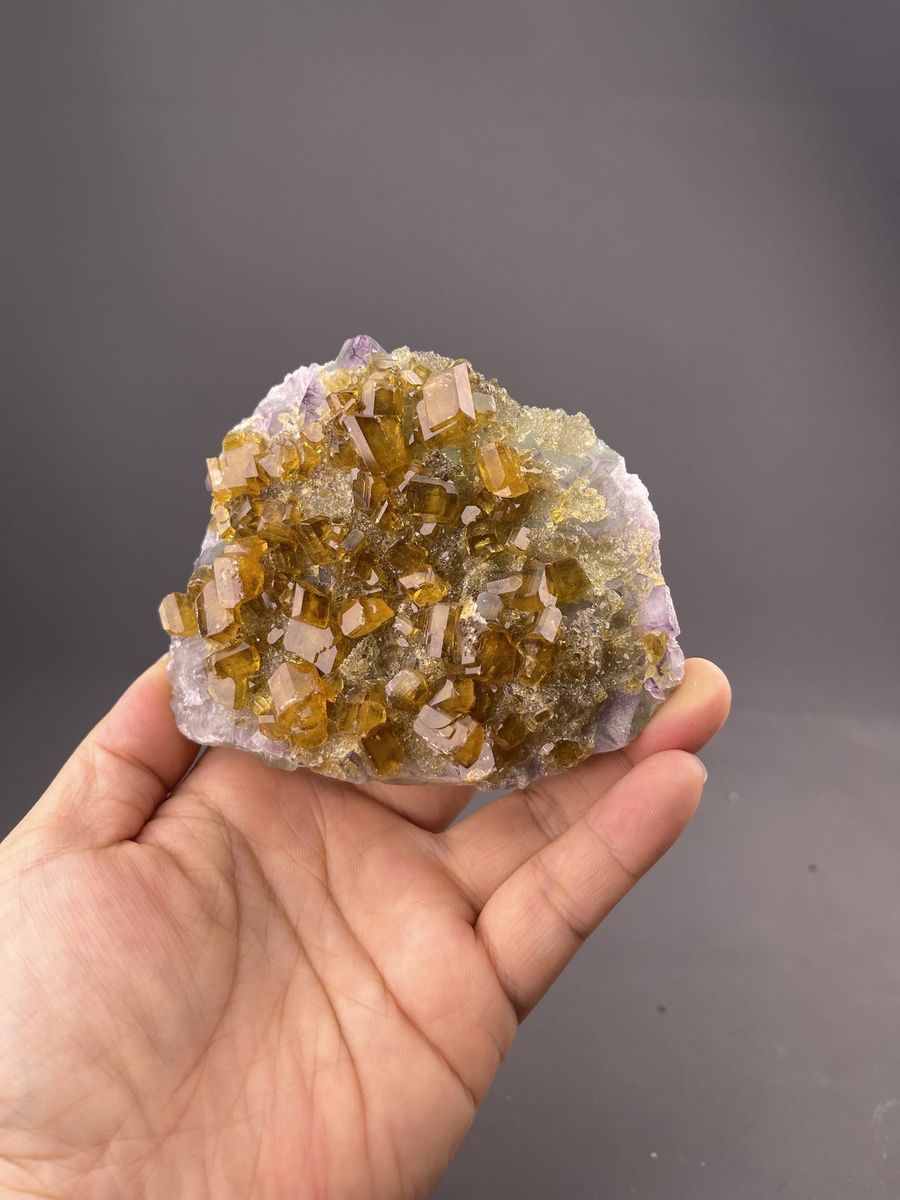
Hardness quietly settles many ID questions on Chinese material. Hunan fluorite (4) is soft enough that a steel knife marks it easily and a copper coin will not — useful when separating glassy fluorite cubes from harder colorless quartz (7) that a knife cannot touch. Scheelite from Xuebaoding in Sichuan sits near 4.5–5, distinctly softer than the quartz and beryl it grows beside.
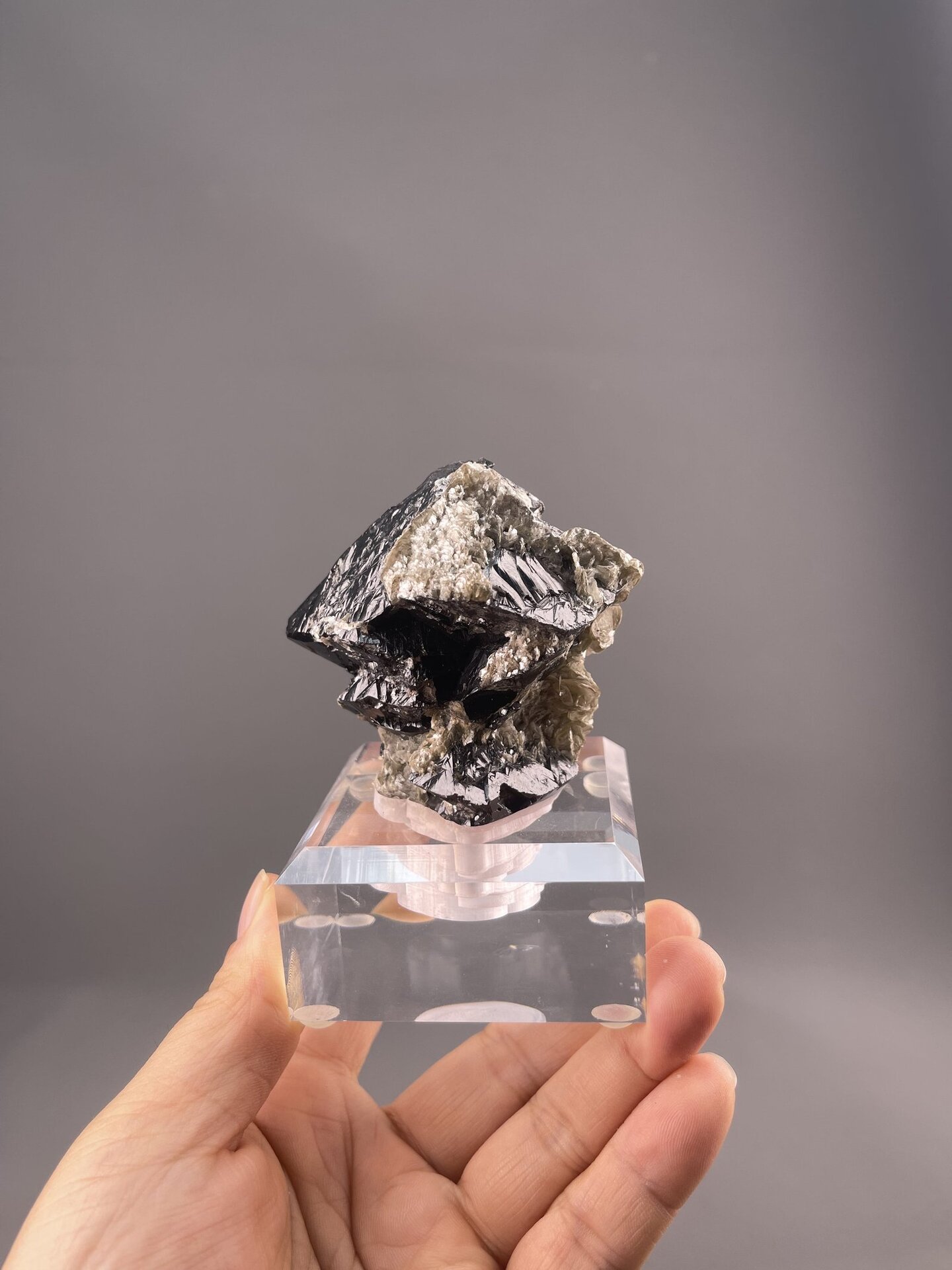
Stibnite from the Lengshuijiang belt in Hunan is famously soft (about 2) and brittle; never drag a fragile acicular stibnite blade across a plate to test it — the needles snap. For soft, cleavable, or needle-form species, reason from the known hardness rather than risking the specimen.
Hardness is not toughness or durability
Three properties get confused: hardness (resistance to scratching), toughness (resistance to breaking), and durability (long-term survival in handling and display). A mineral can be hard yet fragile — topaz is 8 but has a perfect cleavage that splits cleanly under a sharp tap.
For collectors this matters at the display shelf, not just the test bench. A high Mohs number does not mean a specimen is safe to wash in an ultrasonic cleaner or pack loosely; cleavage and brittleness decide that. Learn a species' hardness and its cleavage together, because the two together predict how it survives cleaning, shipping, and years on a stand.
Frequently asked questions
What's the easiest way to test mineral hardness at home?
Build a small kit from household items: a fingernail (about 2.5), a copper coin (about 3), a steel knife or nail (about 5.5), and a glass plate (about 5.5). Work up the scale until something scratches the specimen, and you have bracketed its hardness without buying a formal pick set.
Why is diamond a 10 but only slightly higher numbered than corundum at 9?
The Mohs scale only ranks order, not magnitude. In absolute terms diamond is several times harder than corundum, so the real jump from 9 to 10 dwarfs the steps lower on the scale even though the numbers look evenly spaced.
Can I scratch-test a valuable or fragile specimen safely?
Only if you must, and only on a hidden spot — a scratch is permanent. For soft, brittle, or needle-form minerals like stibnite, skip the test entirely and identify by known hardness, habit, and other properties instead.
How hard is Chinese fluorite, and how do I confirm it?
Fluorite is Mohs 4, so a steel knife scratches it readily while a copper coin does not. That softness, combined with cubic crystals and cleavage, distinguishes Hunan fluorite from harder colorless quartz that a knife cannot mark.